
One aspect of this website, is the intent to take a closer look at the flora and fauna to be found at Ballyeglish Old Graveyard and its environs. We would wish to provide at least a cursory glimpse into the natural world that is all around but which is often overlooked. Trees, especially, can be forgotten in terms of their great importance to our world. In this brief article, we take a look at one specimen of tree that has a prominent place in this ancient burial site.
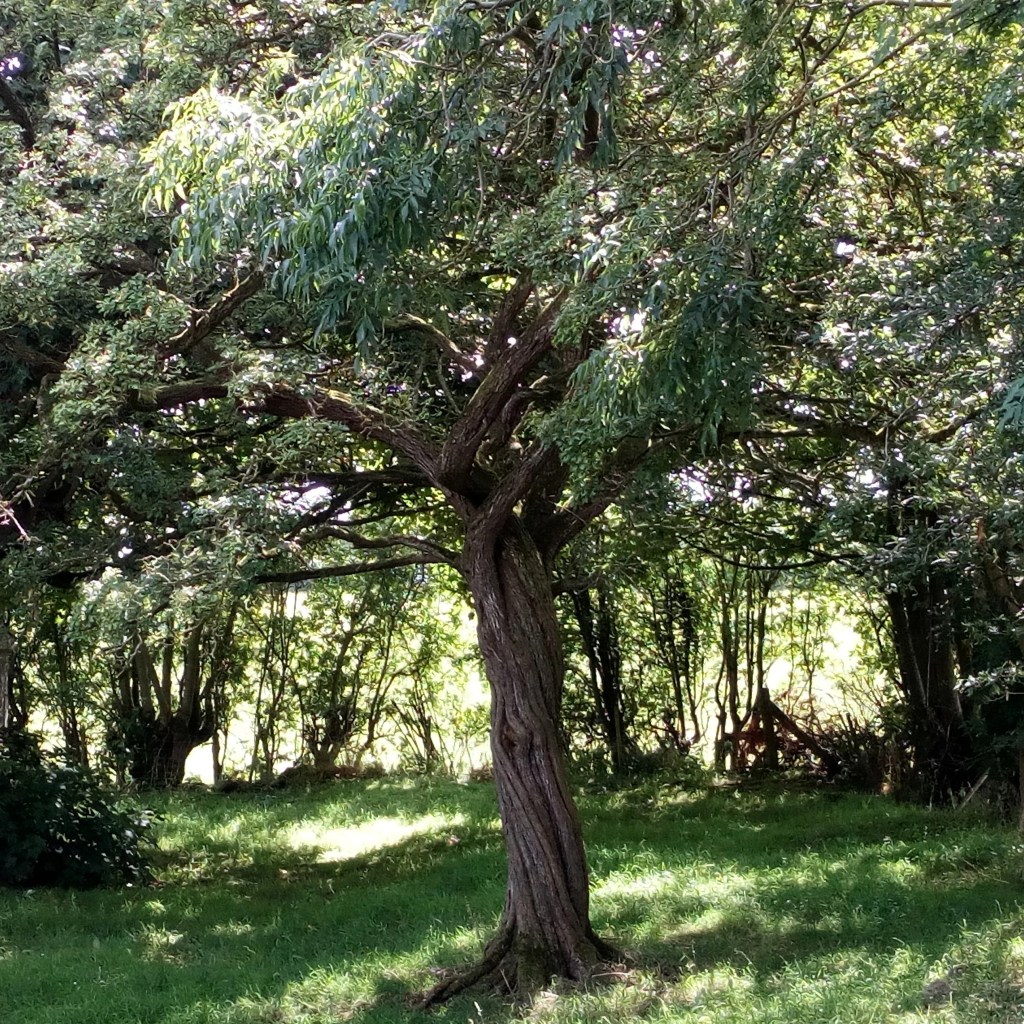
Below, you can see the winter silhouette of a sycamore tree at Ballyeglish Old Graveyard, before it disappears under lustrous foliage. It’s one of two fine examples of this species on-site. One stands close to the Archer headstone (shown), and is referred to as the Archer sycamore. The second is adjacent to the Kevin burial plot and is so named for that family.
The Sycamore is known in Irish Gaelic as either Crann bán or Seiceamar, and is Acer pseudoplatanus in Latin. Acer is the maple genus, so the sycamore is a maple, although we don’t recommend trying to get syrup from it (kinda like trying to milk a bull). The leaf shape is an indicator of this familial connection. It’s a pale wood, hence the Gaelic “Bán” meaning white or pale (crann means tree).

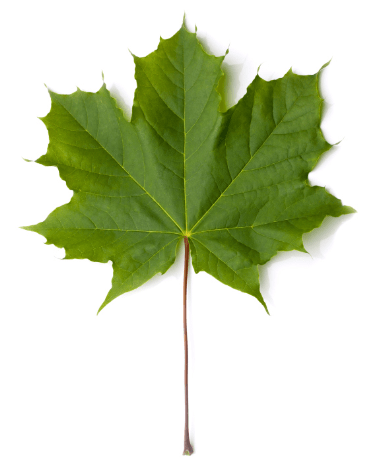
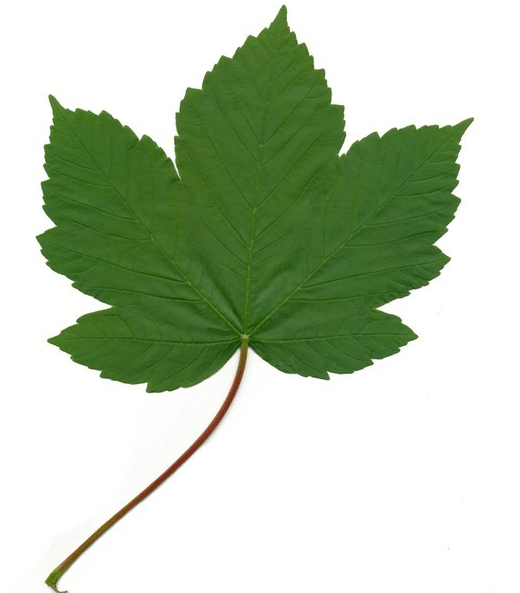
This fine tree is not native to Ireland, believed to have been introduced in the 1500’s. It was probably the English Tudor administration who brought it here, given the time-period (anyone remember Tudor crisps? Anyone miss them? Not relevant, but digression keeps you on your toes). The sycamore suited the climate and spread quickly, becoming a standard and very recognisable feature of our landscape. There are those who claim that it’s associated with Bríghid, on continental Europe, which is fitting given the original association of the holy well at Ballyeglish Old Graveyard. A sycamore in full bloom is a glorious sight, no matter where it came from.
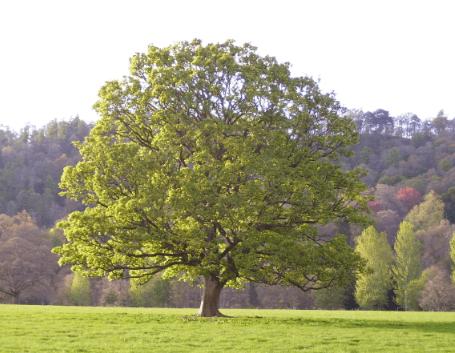
Sycamores can grow up to 35m tall (115 feet) and live for as long as 400 years. The 2 sycamore trees at Ballyeglish are extremely mature and further research is need to determine their approximate age. But it is substantial. Imagine the history they have seen. A lot has happened in and around that graveyard over the last 400 years. Could those trees have witnessed the 1641 Rising?
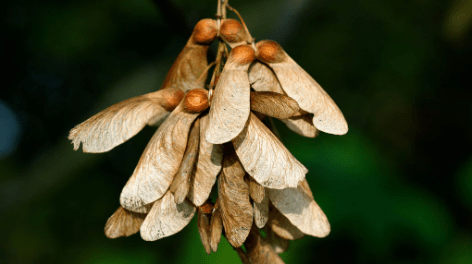
Sycamores are pollinated by both wind and insects. The female flowers then develop into the winged fruits known as samaras. As children, we just referred to them as helicopters due to the rotation of their blades as they fell on your head when lying under a sycamore wondering where The Hulk got his underwear.
In terms of its benefit to wildlife, the sycamore is a treasure. Its leaves are eaten by a number of caterpillars, including those of the sycamore moth. The seeds are eaten by birds such as the goldfinch and greenfinch, as well as some small mammals. The bark is chomped upon by lacewing and aphids (juicy example below), and the flowers provide a source of nectar for bees and other pollinators.
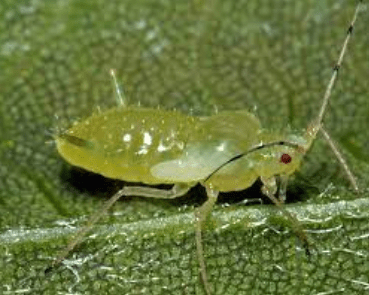
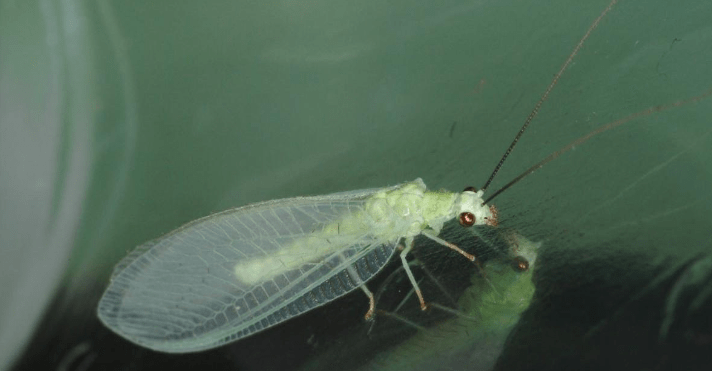
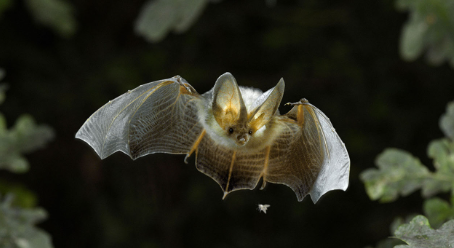
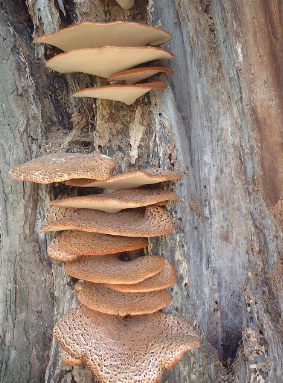
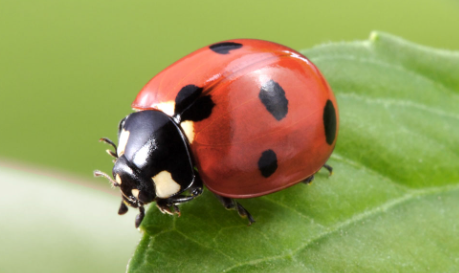
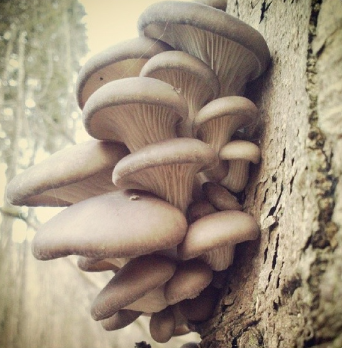
Sycamore tress are also known to provide habitats for a variety of animals including blackbirds, robins and blue tits, as well as a variety of insects and fungus. They can be home to small mammals such as bats, and play host to butterflies, ladybirds and beetles. A wonderful collection in one tree. We should point out that they are also often chosen as the sites for faery homes, such as those found at Ballyeglish Old Graveyard. Apparently, their sturdy build and plethora of wildlife is appealing to the Aos Sí. Look out for them when next at Old Eglish.
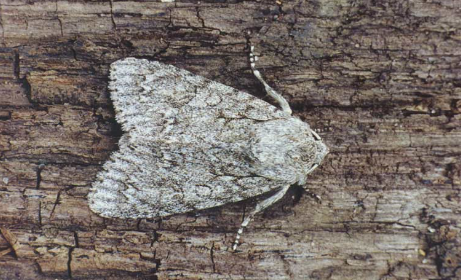
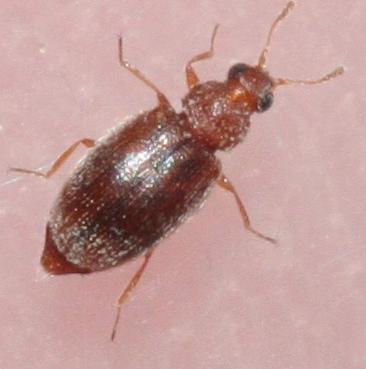

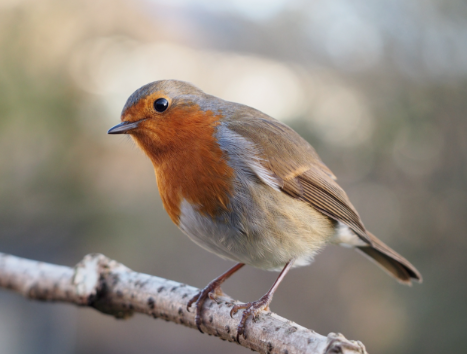
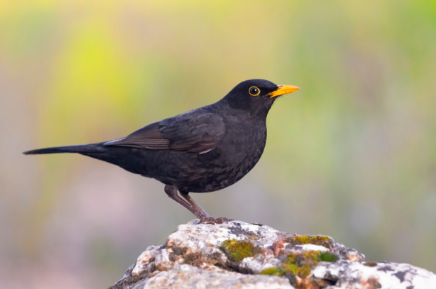
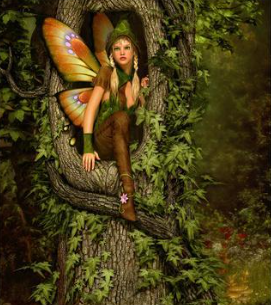
Well, that’s quite a lot of information about the trusty ole sycamore. We wonder if you were aware of all of the benefits that this fine tree brings to your world. With a little luck, the mighty sycamores at Ballyeglish Old Graveyard will be with us for many years to come. We look forward to meeting with you all, sometime, under their splendid shade.
(note: the sycamore tree shown in the article cover photo is of the famous tree that grew along Hadrian’s Wall in Northumberland (the photo belongs to that Council). That fine specimen was unfortunately cut down in an act of extreme vandalism in September 2023. The Ballyeglish Society deplores any such acts, regardless of who is responsible, or where)
Bígí linn

 The Ballyeglish Society
Leave a comment