
The name Éowyn was created by the author J.R.R. Tolkien, famous for his Middle Earth stories of The Hobbit and Lord of the Rings. It means “horse delight” and was given to a princess of the Rohan where lived a people famed for their equestrian skills.
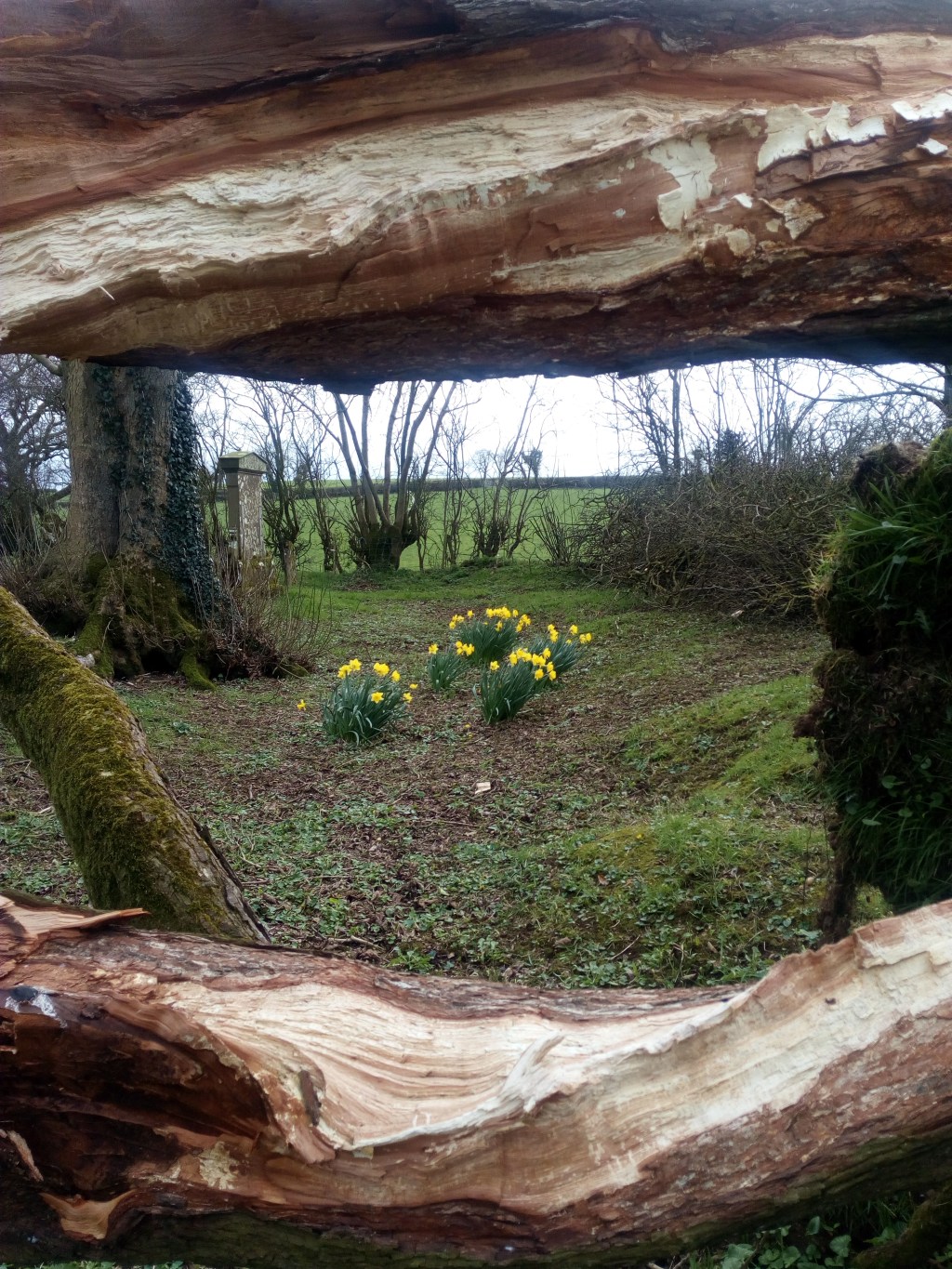
On 24th January 2025, the equivalent of a team of wild horses galloped into Ballyeglish Old Graveyard and tore the famous Conwell Hawthorn Tree to pieces. No other trees were damaged. Barely even a branch from any of the many other trees within the sacred site fell. In bygone days, such an occurrence would have been the subject of much controversy and debate, with the destruction being attributed to a horde of angry little people. Speculation would have begun as to who might have upset the mercurial fae, causing them to bring such dedicated mayhem to a holy site. Wakes and funerals would have held the mumbled queries and offerings. Hearth sides would have warmed the quietened theories steeped in whiskey and myth. The truth would not have been permitted to stand in the way of a good story, the tales blowing through the countryside like Éowyn.
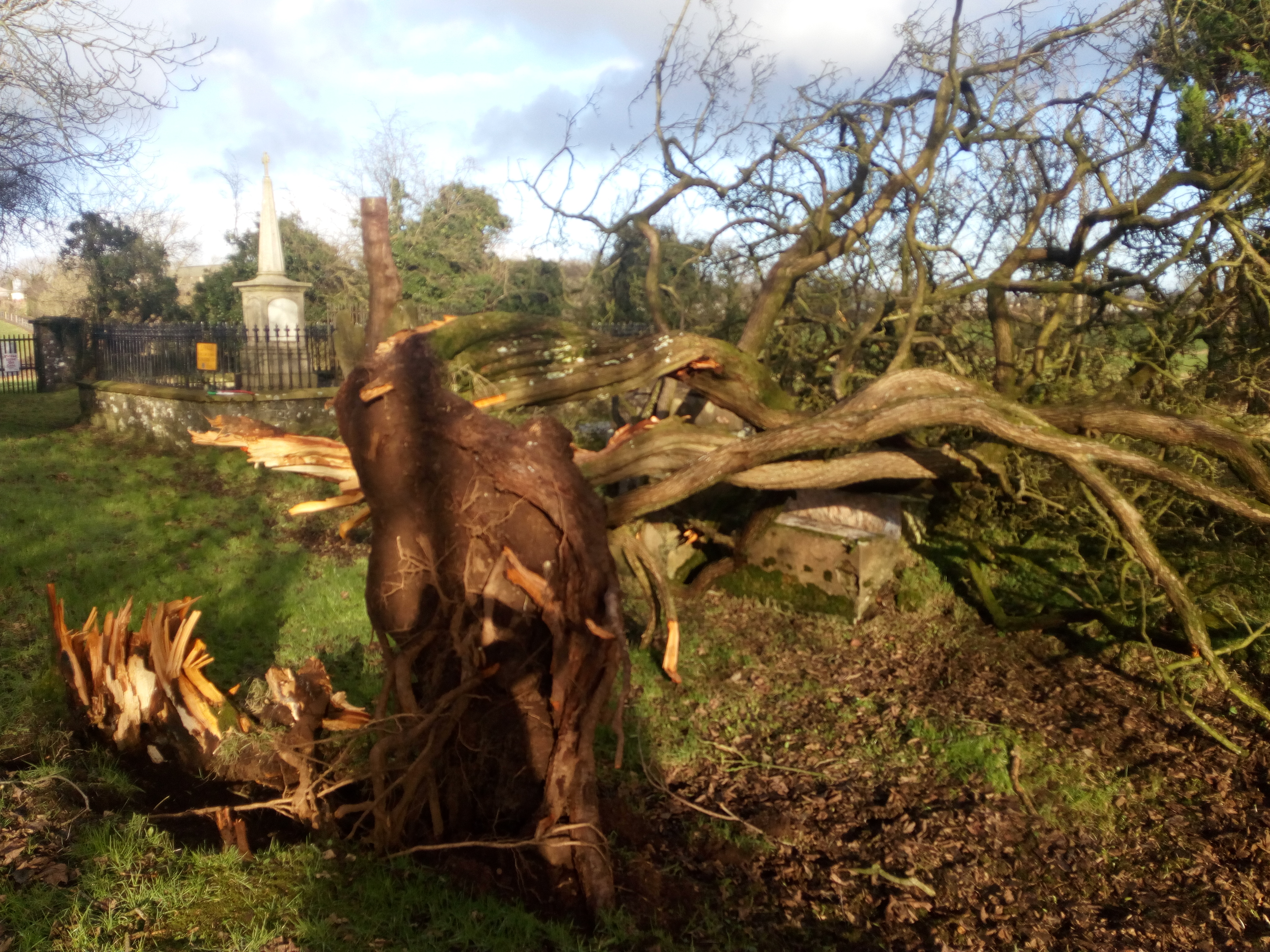
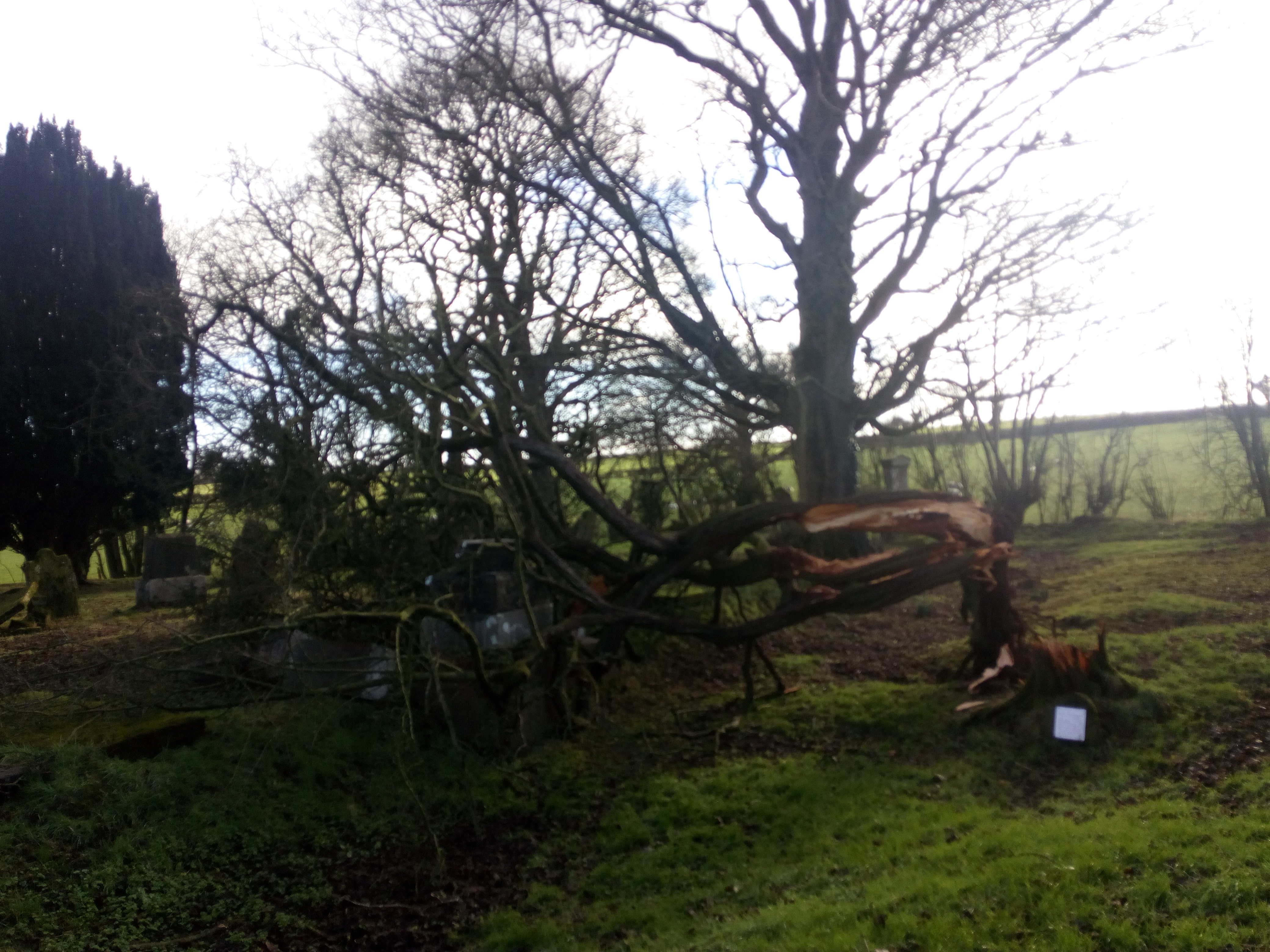
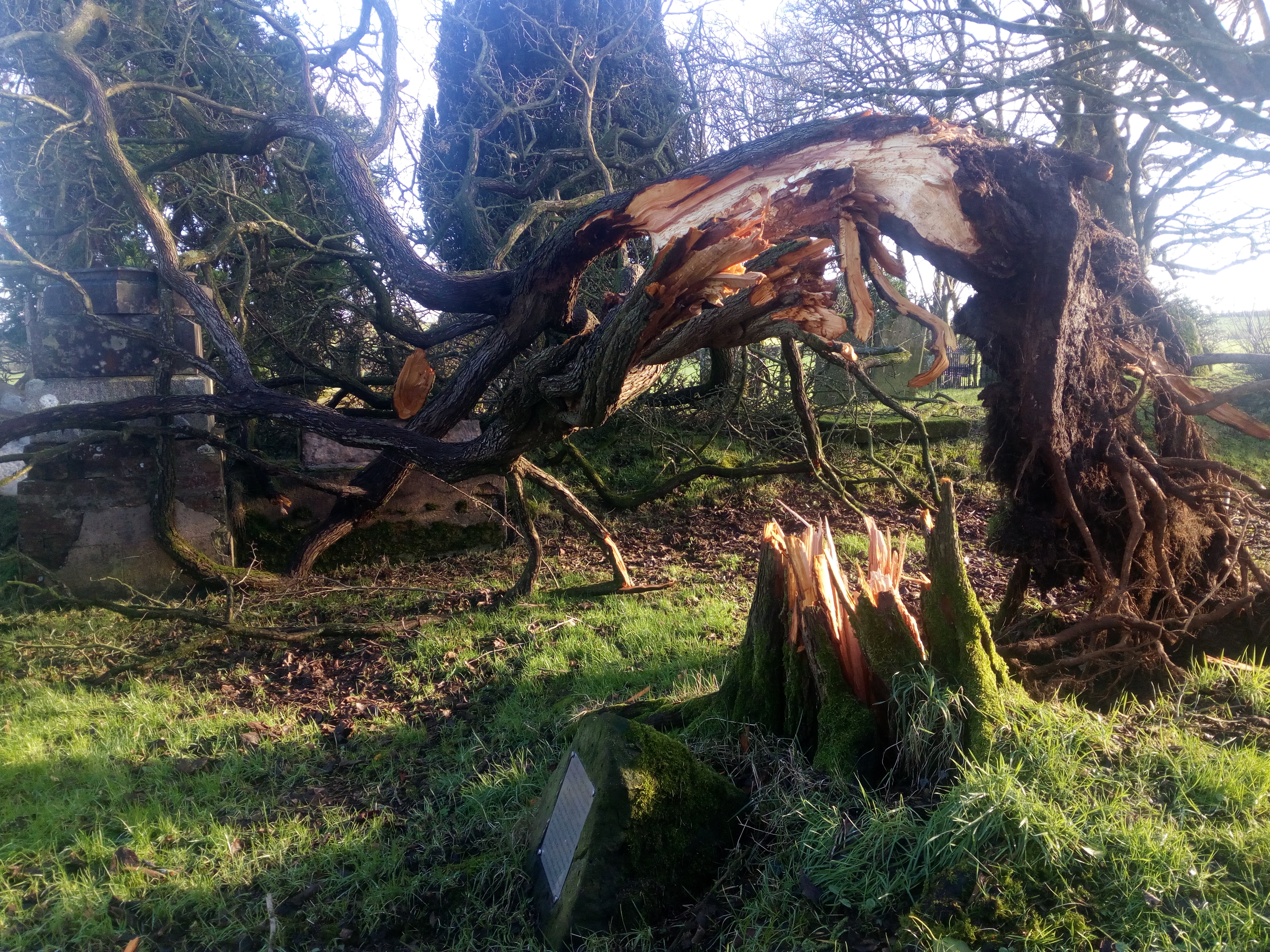
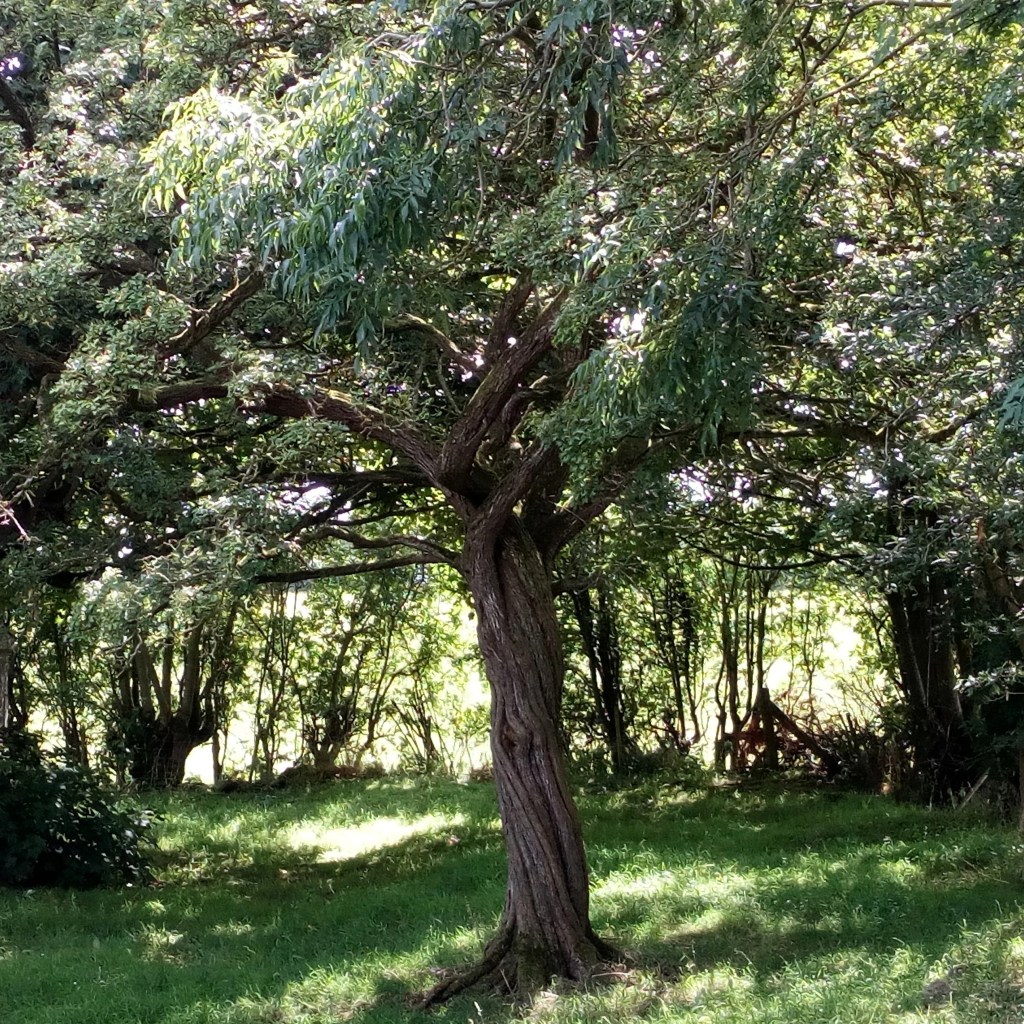
Today, superstitions in Ireland have become somewhat diluted, although have yet to disappear entirely. We know what happened at Ballyeglish Old Graveyard and, mostly, we know why. Storm Éowyn, a beautiful name with a violent temper, ripped into the site hellbent on destruction. From the lack of widespread damage, it seems that it was a vindictive gust that caught the regal old hawthorn, tearing it from the ground and effectively demolishing it. Such was the force of the wind that the intricately spiralled trunk was split into three separate pieces. It was as if a tornado had grabbed it. Or perhaps it was as if a brutal giant grasped it tightly to strike in terrible anger at a foe. Fionn macCumhaill has been blamed for many things, but we can at least clear him of any wrongdoing on this occasion.
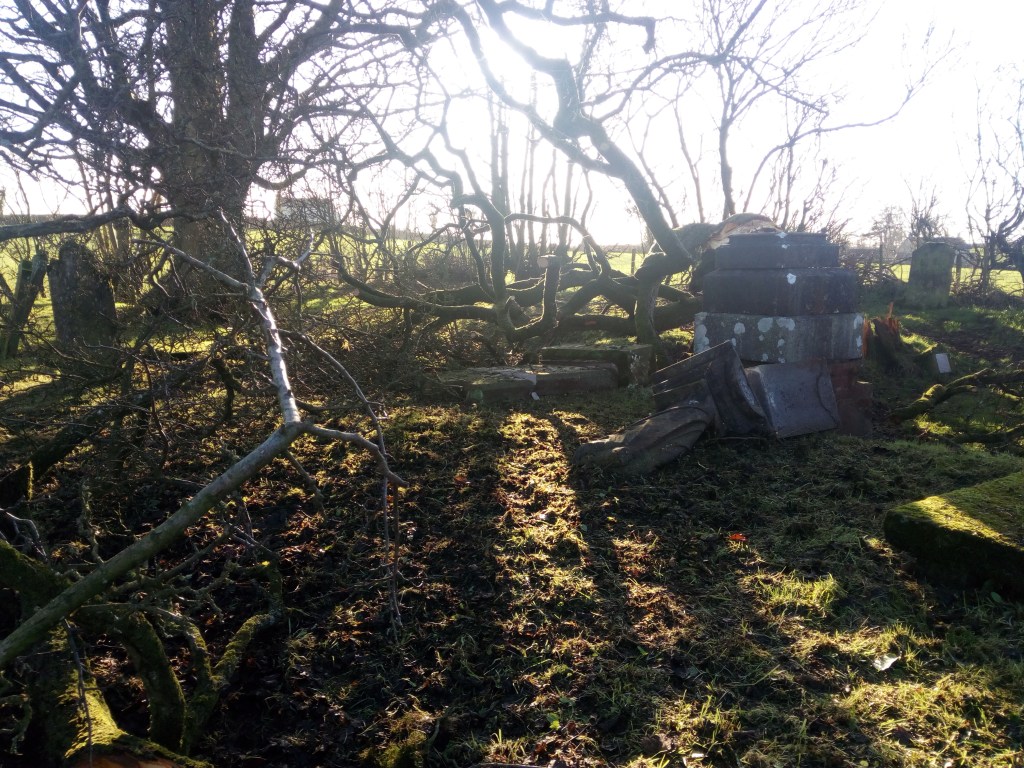
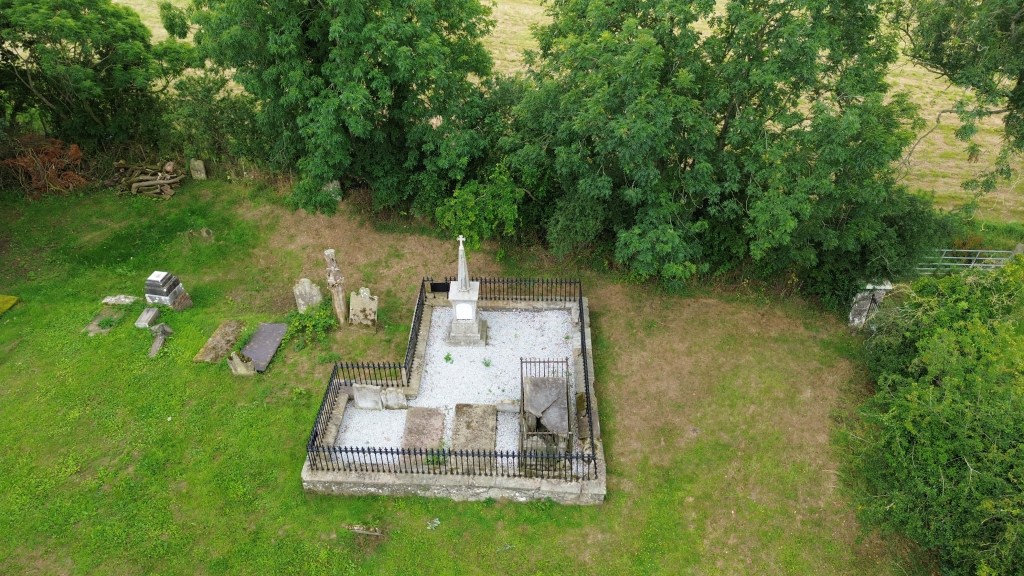
In addition to the hawthorn being destroyed, two monuments were also toppled as the tree was tossed to the ground. The Scullan statue and plinth were struck down, and a headstone of the same family was split in two as it dropped to the grass below. The solid granite monuments are of great weight and will prove testing to reinstate. It’s interesting to think of how they were placed there originally. Both will have to be assessed for future remedial work, although the statue appears undamaged other than the saint having been surreptitiously dumped on her head. Tut tut, Éowyn.
The old hawthorn was planted on 23rd June 1805 by a 94 year-old priest. He was a tough old guy, travelling as he did on that day to the tree-planting ceremony. No comfy cars for transport but perhaps a Hansom, if he was fortunate, to bear his weary bones. We can imagine that a person that determined would have wished to dig at least a little, although may have been highly proficient at delegating by that time in his life.
The Rev Arthur Anthony Conwell was born in 1711. He was 35 when he travelled to Culloden to fight on behalf of the Jacobites, where he sustained sabre wounds. He then took holy orders becoming a Franciscan priest, and was parish priest for Ardtrea from 1756 until his death, 98 years later, in 1809.
The tree he planted that day, in 1805, became a living link to both Culloden and Penal Times. To touch it was to place your hands upon the past, and to dream of very different times. No mobile phones. No internet. No orange president. In 2014, 205 years after Rev. Conwell planted his hawthorn, a TV series called Outlander premiered. It was based upon events leading up to and including the fateful Battle of Culloden. In Ardtrea, the parish had it’s own outlander, a sturdy and determined fellow who made his way to a foreign nation to fight and, if necessary, die for his beliefs.
The hawthorn tree was perhaps the embodiment of the man who planted it. It grew straight and true. The spiralled trunk caught the admiring glance of any who saw it with its regal bearing. It was steeped in tradition and legend and stood prominent in a place full of trees. And it grew old.
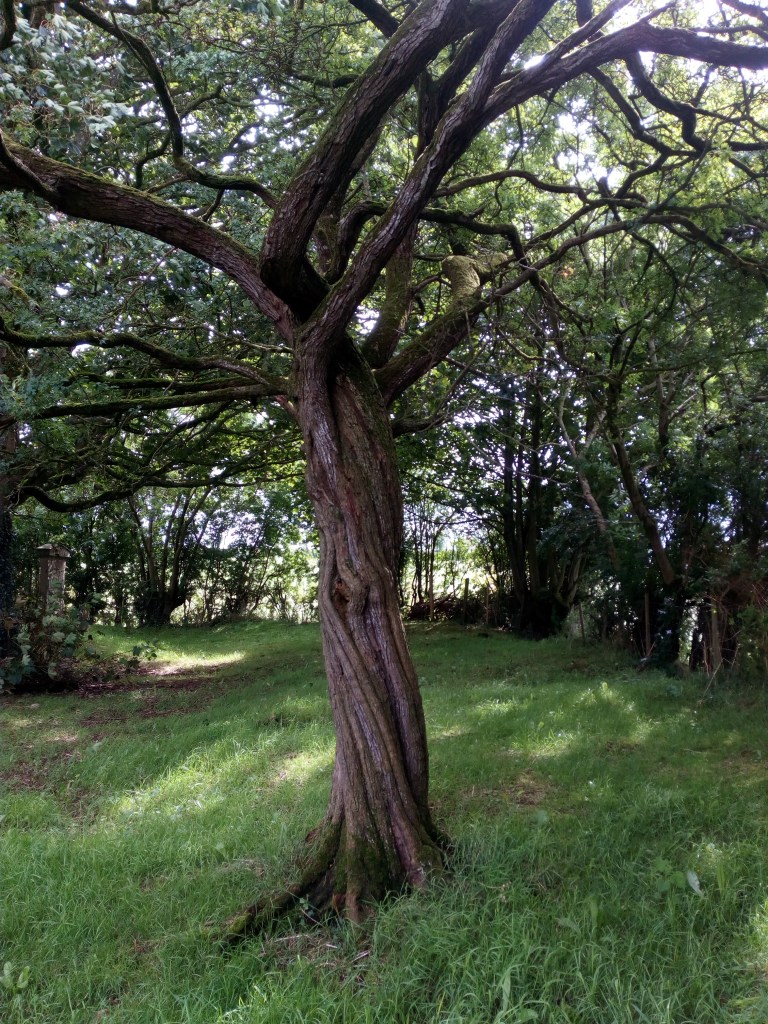
Although hawthorns can live to more than 400 years, they require care and the right conditions to achieve this. Conwell’s hawthorn was planted 220 years ago this year. The tree itself would undoubtedly have been at least that age, and perhaps some few years older, given the need to place a decent-sized sapling at the site. The Woodland Trust describes a hawthorn up to 200 years as “veteran,” with those older being termed “ancient.” It might be fair to use the latter for that of Conwell’s.
Ironically, The Ballyeglish Society had been in the process of trying to ensure that Conwell’s hawthorn received greater protection and care from official bodies, given its historical importance. Mid Ulster District Council had undertaken some very light pruning earlier in the year, but questions were raised as to whether or not the work was sufficient to strengthen the tree and improve its health. The Historic Environment Division were petitioned in an attempt to bring them on board with preserving the tree. Yet no one could have foreseen the storm with the pretty name, nor guess her intent. And so, on 24th January 2025, the ancient majesty fell, the woody, outlying outlander slain, and with it went the only living connection that the local community, and perhaps Ireland, had to the Battle of Culloden.
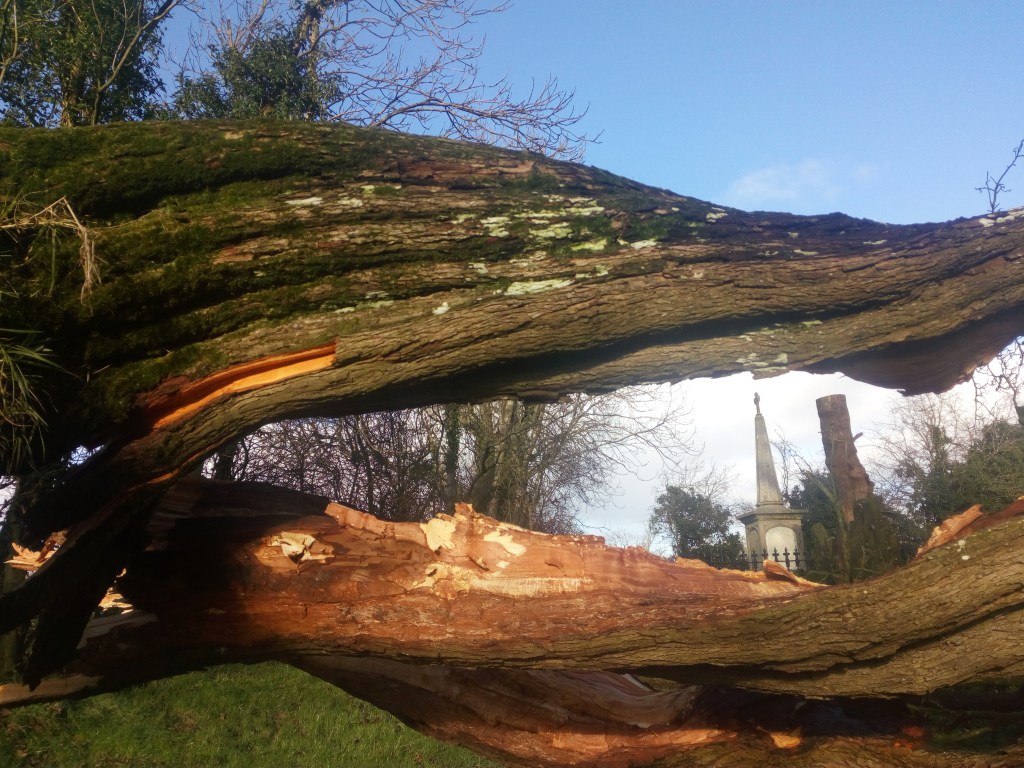
It’s difficult to know what to do with it now. Salvage some for posterity. Replant or even slip. Battles that were being fought to preserve this piece of our heritage have become redundant. The adjacent commemorative plaque remains, a steely reminder of what stood there for so long. The photos remain. We have video. The inscription in the Conwell plot that references the hawthorn provides testament. The community observes and endures. The place abides.
Bígí linn

 The Ballyeglish Society
Leave a comment