
Ballyeglish Old Graveyard is a relatively small burial ground, certainly by more modern standards. Yet, it packs a mighty punch in terms of its historical, cultural and religious importance.
In the Ordnance Survey Memoirs of the 1830’s – a useful if incomplete account of historical sites in the locality – two brief references to Ballyeglish Old Graveyard are given. In one, in relation to the fauna there, it is stated:
Nor is there the smallest insect or vermin observed in the soil of the burial ground
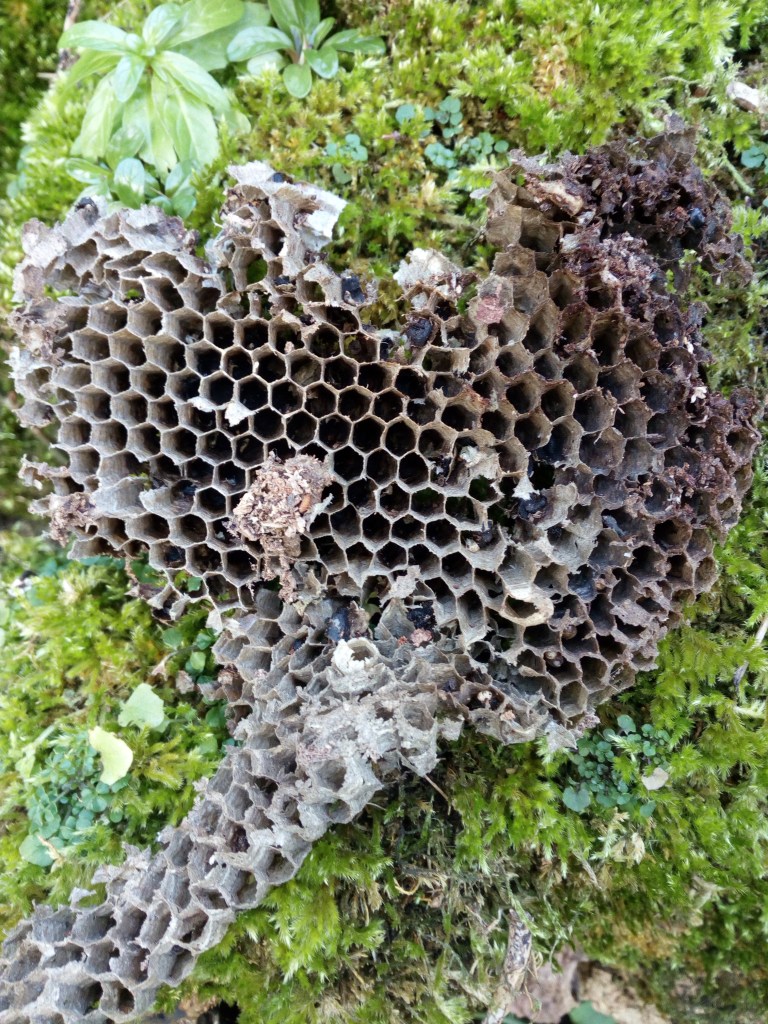
Anyone who has worked at the site can comfortably refute this assertion, especially the person who was stung on the jaw by a wasp whilst carrying out development work there. The soil teems with insect life and, whilst vermin have not been observed there, rabbits have. The entire site unfortunately became a huge warren over the decades for generations of bunnies who called the graveyard home. They apparently discovered that the voids created by collapsed coffins made desirable abodes. Many different birds can also be seen flitting here and there. Then there are the little people, who would likely take offence at being included in Flora and Fauna… ahem.

Here we can see a rabbit hole and tunnel, which uses ancient stonework to provide a ceiling for the construction (either that or the Aos Sí use it. Let’s hope it’s the former).

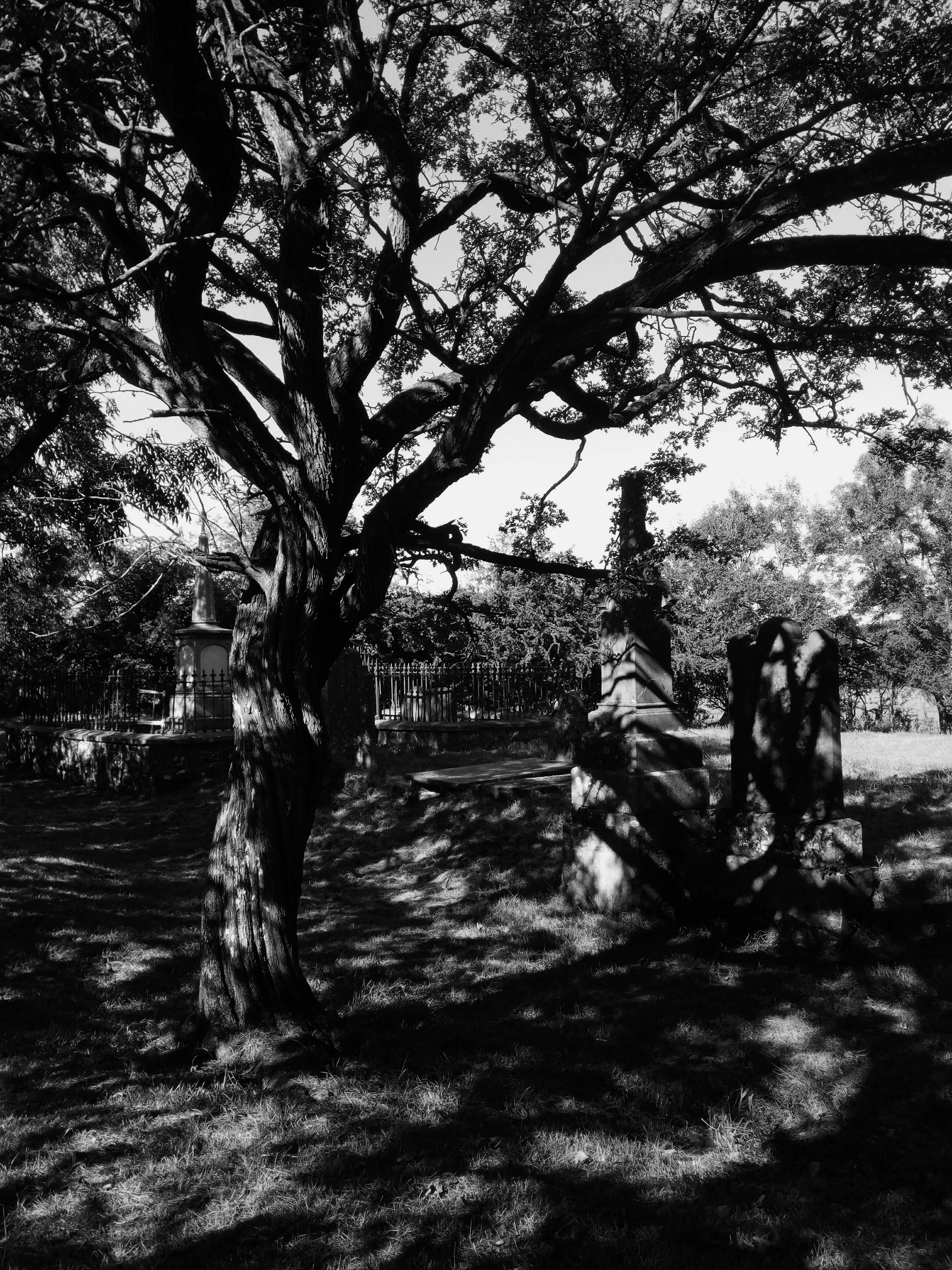
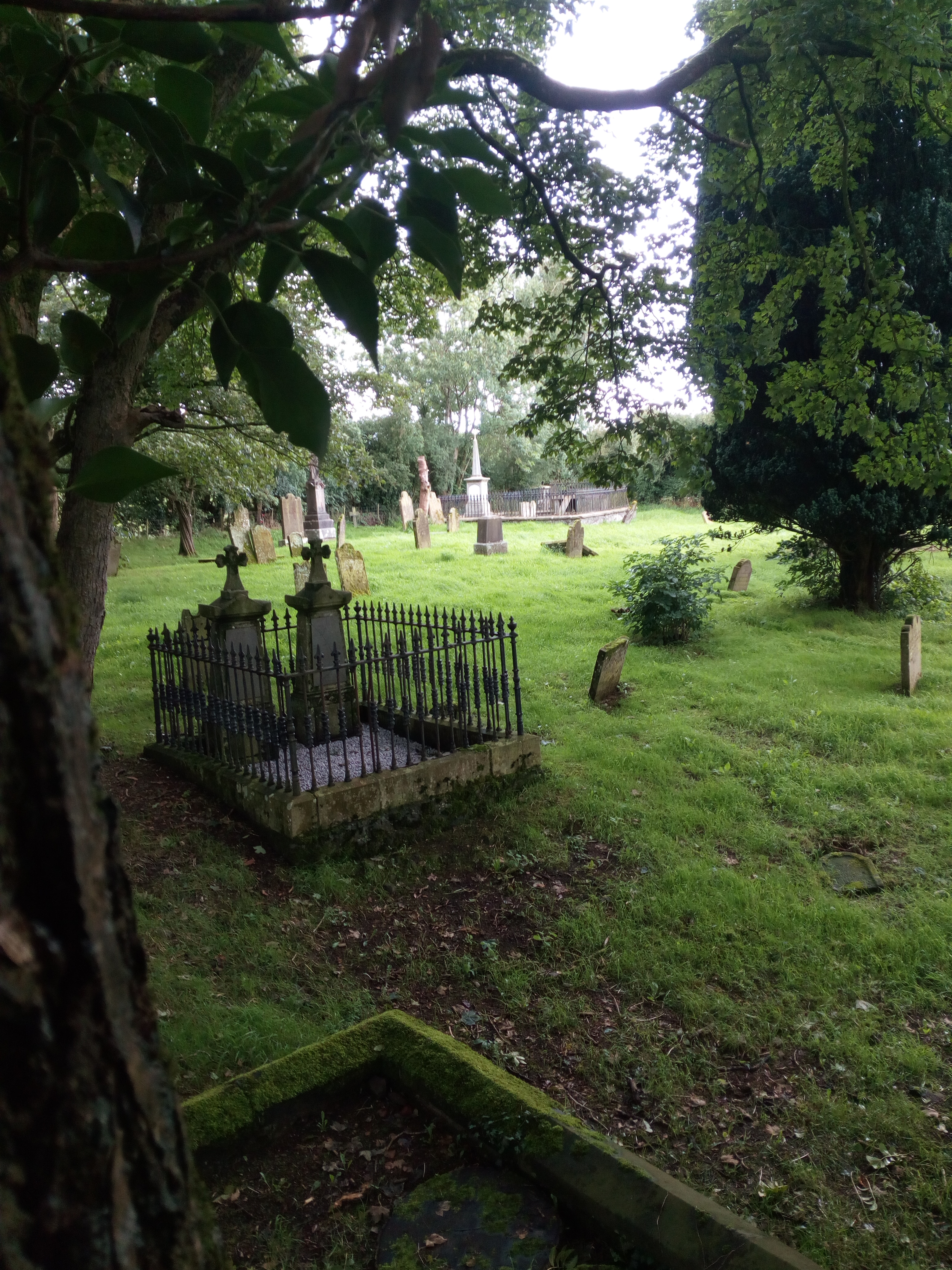
Across the site there are numerous different types trees, some of which have been standing for a long time. There are fine examples of ash, sycamore, Lawson cypress, blackthorn, yew and, of course, hawthorn. We are lucky to have one of the best examples of a hawthorn tree to be found anywhere in Ireland. It was planted in June 1805, by a Penal Times priest who is buried nearby. It has the most exquisitely twisting trunk and is a fine centre-piece for that section of the graveyard.

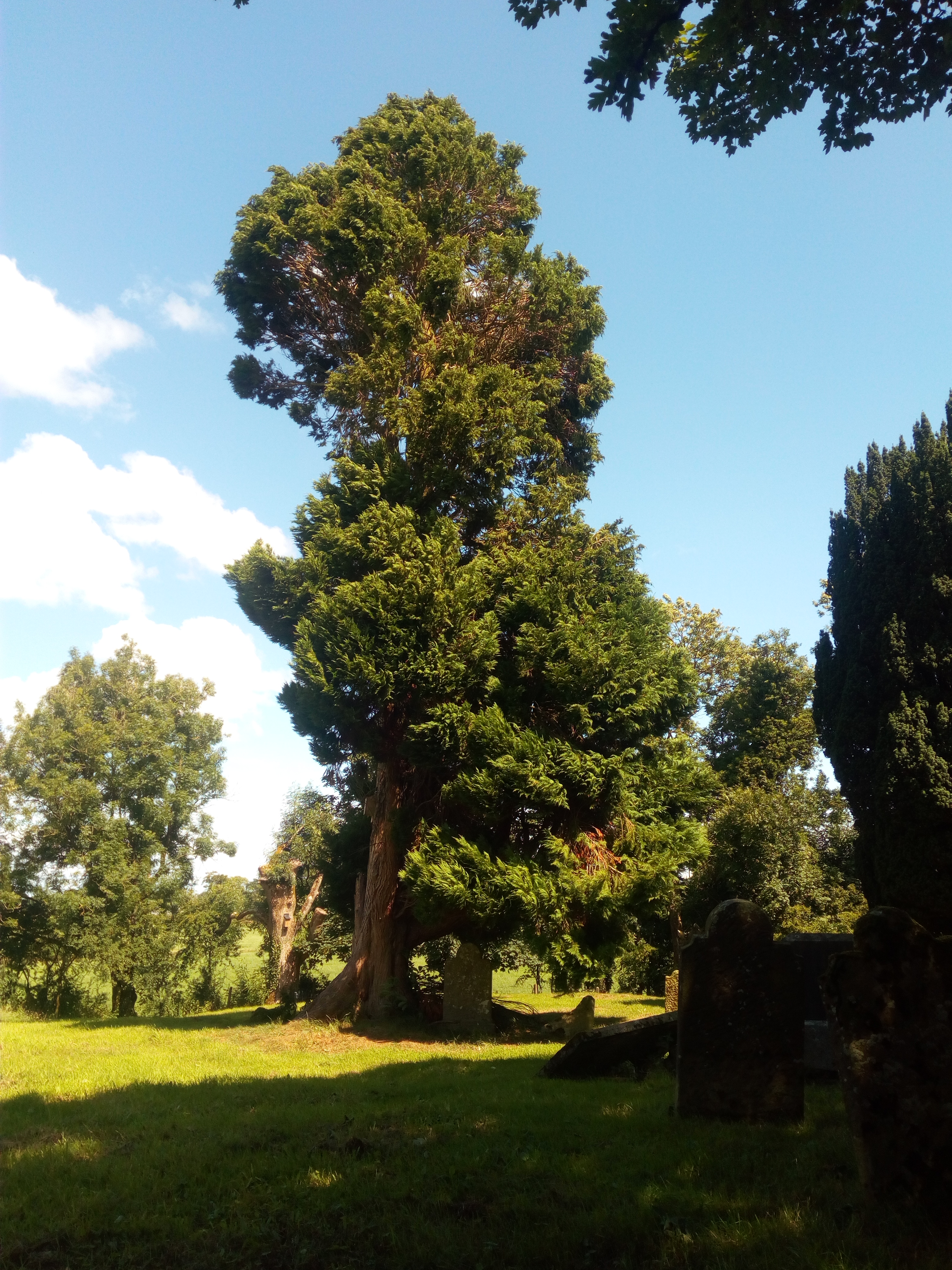
There are two re-emerged elder trees growing on the site. The Ballyeglish Society is attempting to train one of these wildly growing specimens as elder are usually an untidy tree. They favour soil near rabbit burrows, so the rabbits did provide some positives after all. We estimate the Lawson cypress (shown below) was planted in the late 1800’s, soon after it was first seen in Ireland.
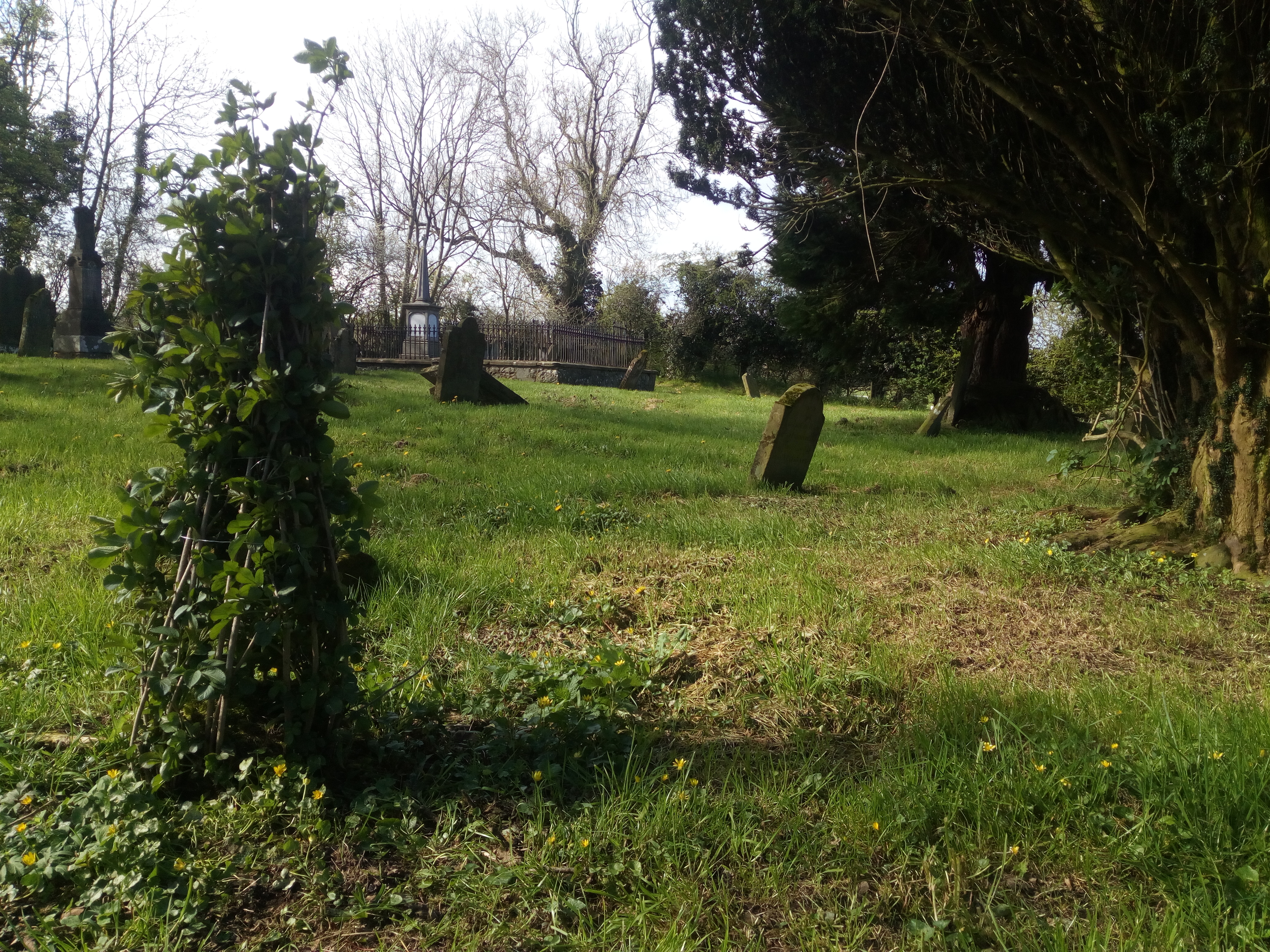

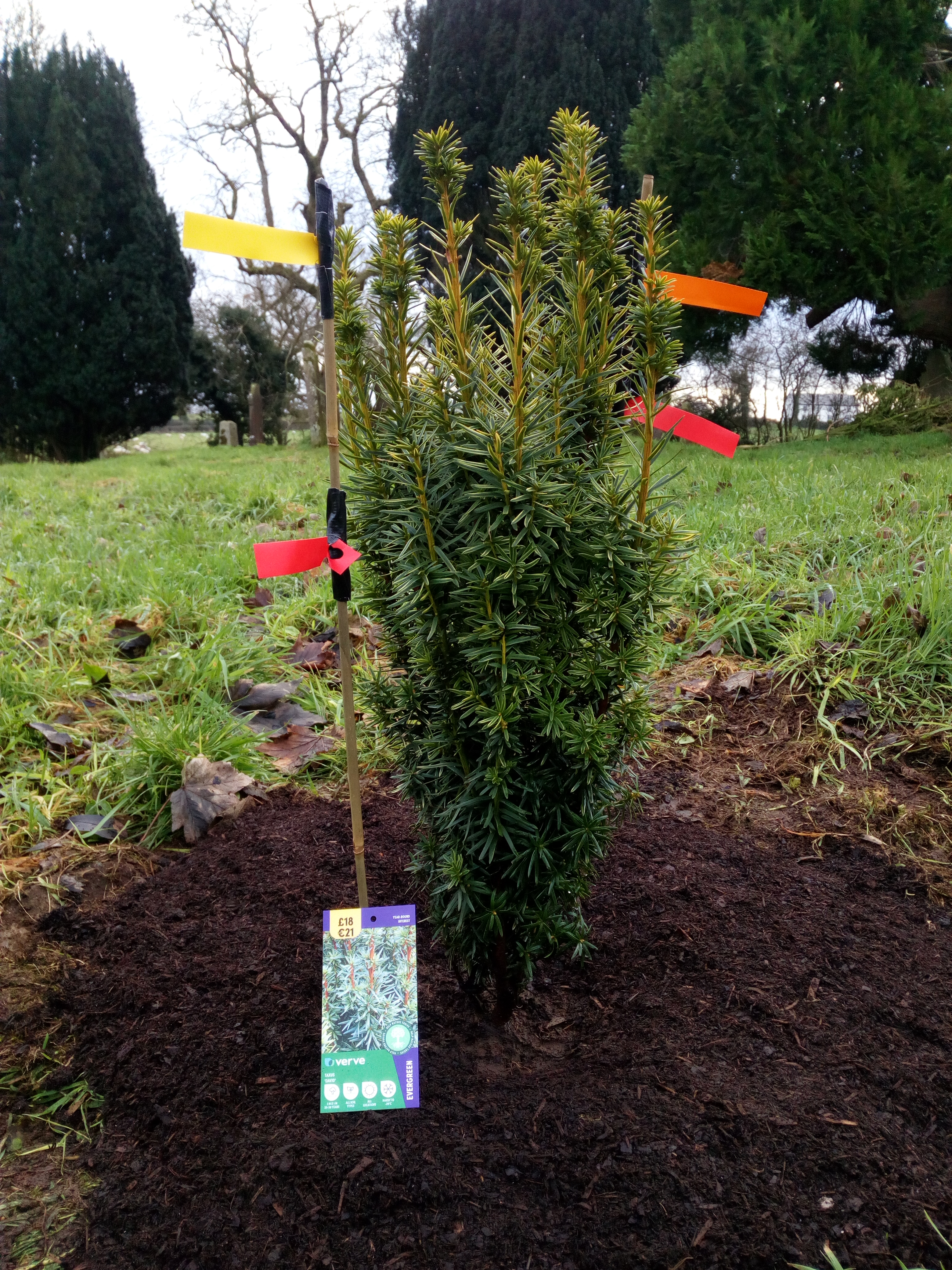
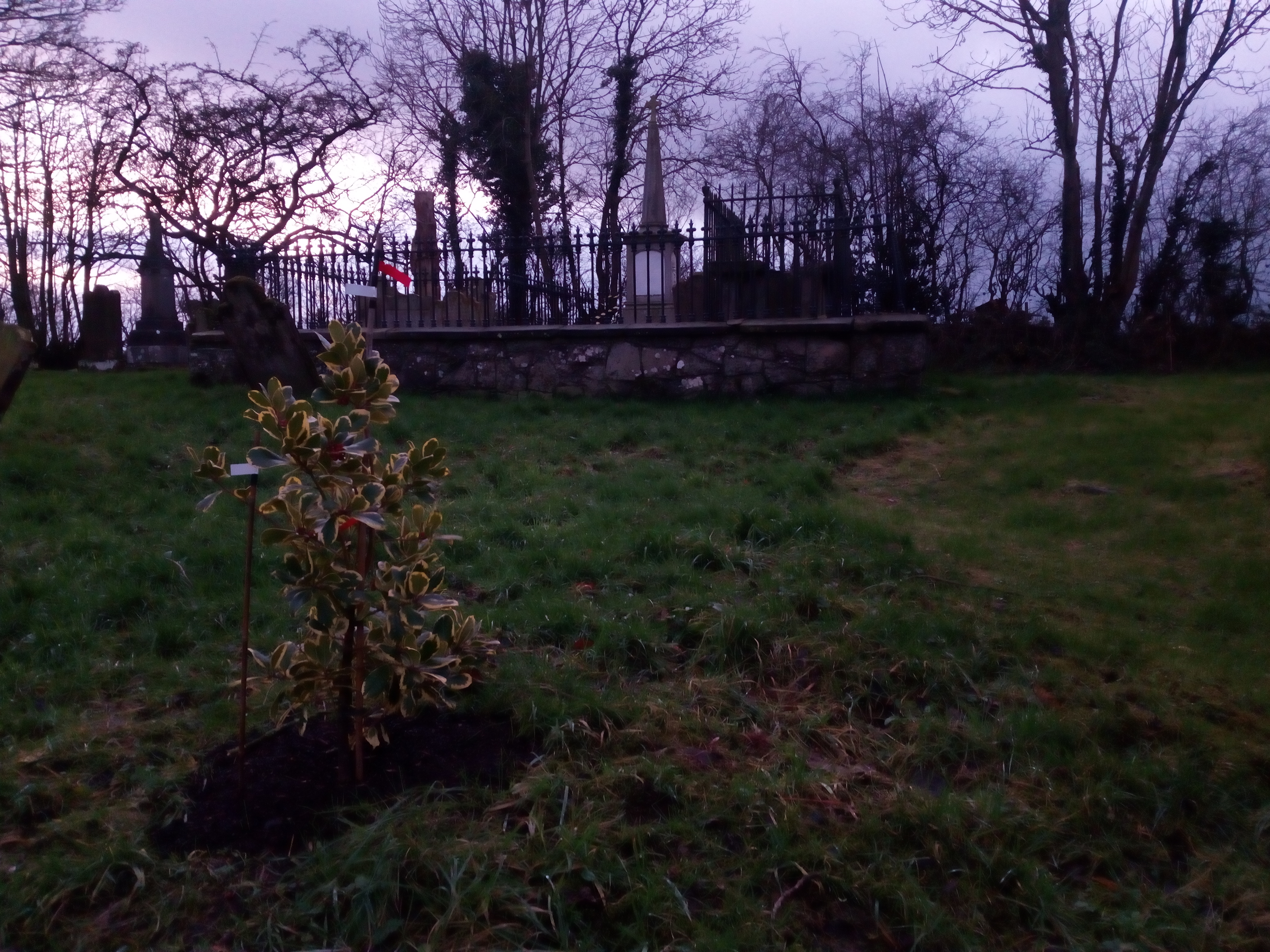
Recently, we have planted some new trees to provide homes for both insects and birds, and to further beautify the landscape. We utilised the rabbit holes and associated depressions to avoid digging which is prohibited at the site. There are yew, holly, and a new hawthorn to replace the one that was destroyed at the well. That particular specimen was used for generations as a Prayer/Clootie/Rag tree, which served as a votive site for penitents. We look forward to seeing these new trees grow with the increased interest in, and appreciation for, Ballyeglish Old Graveyard.
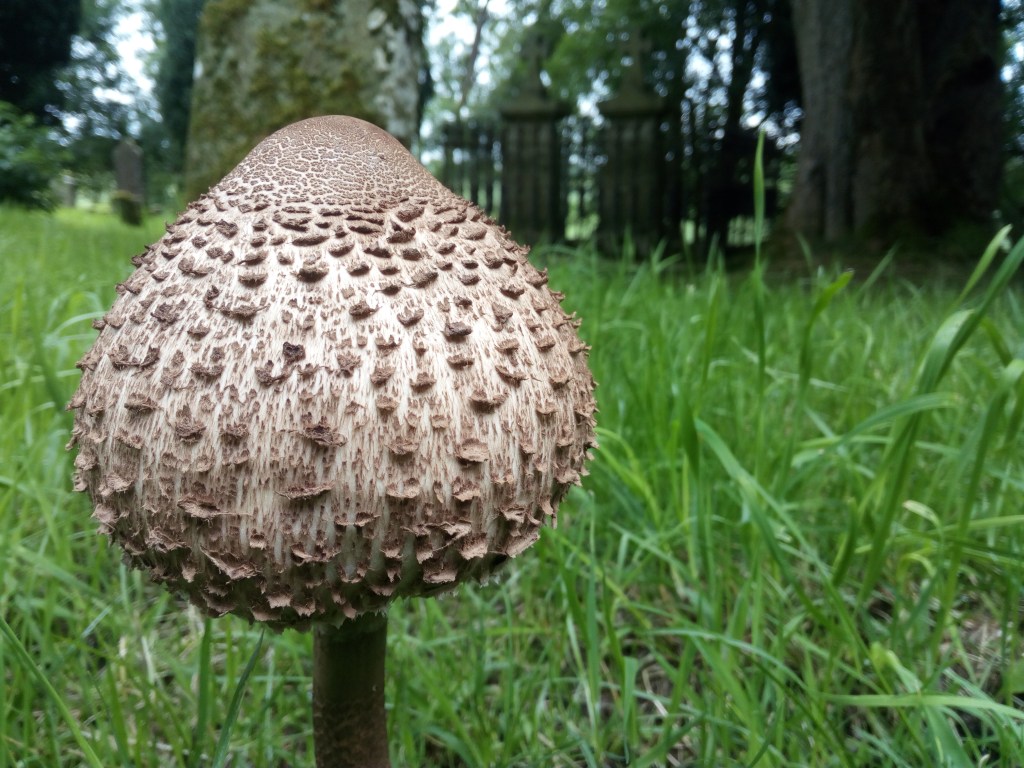
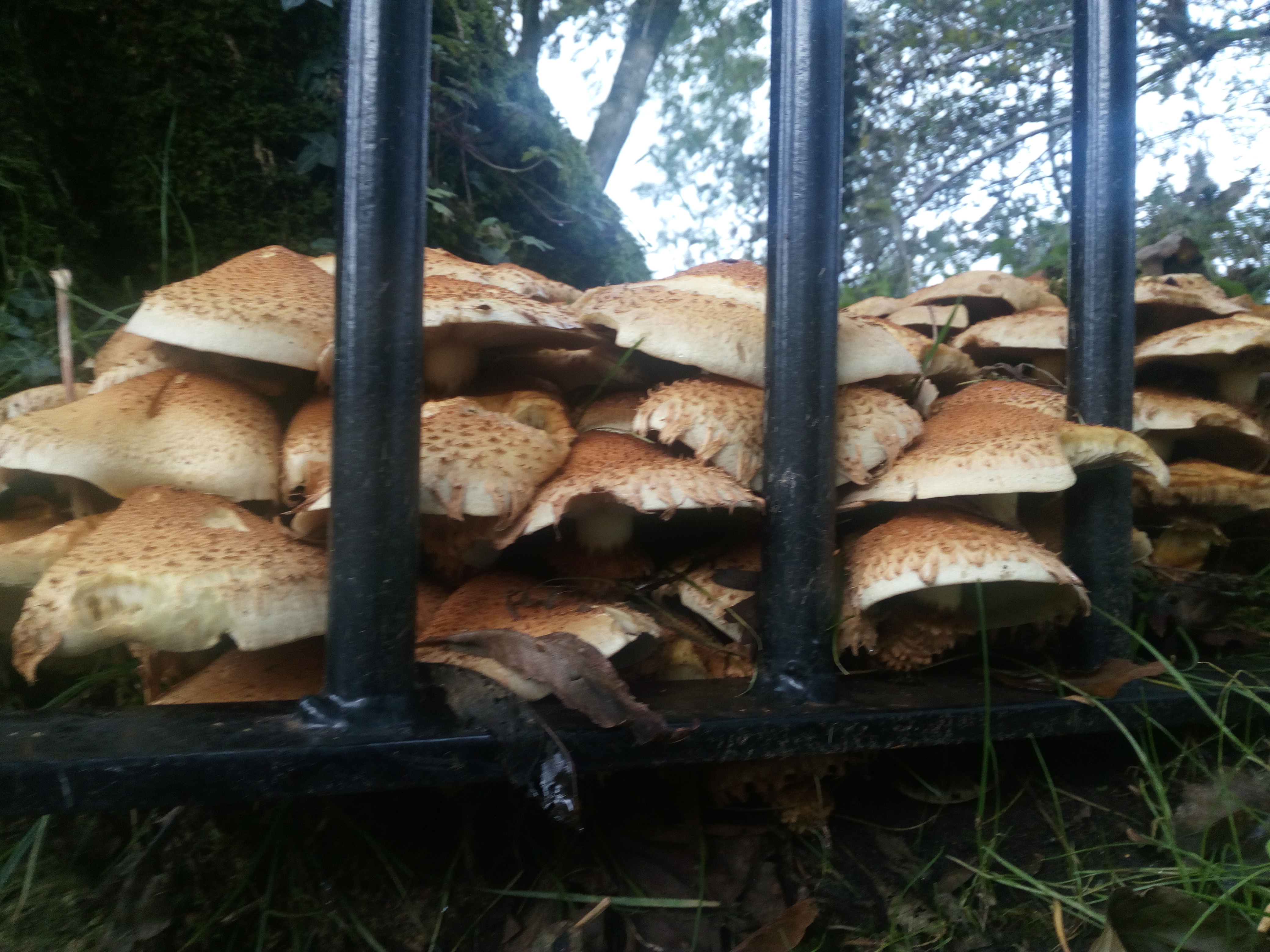
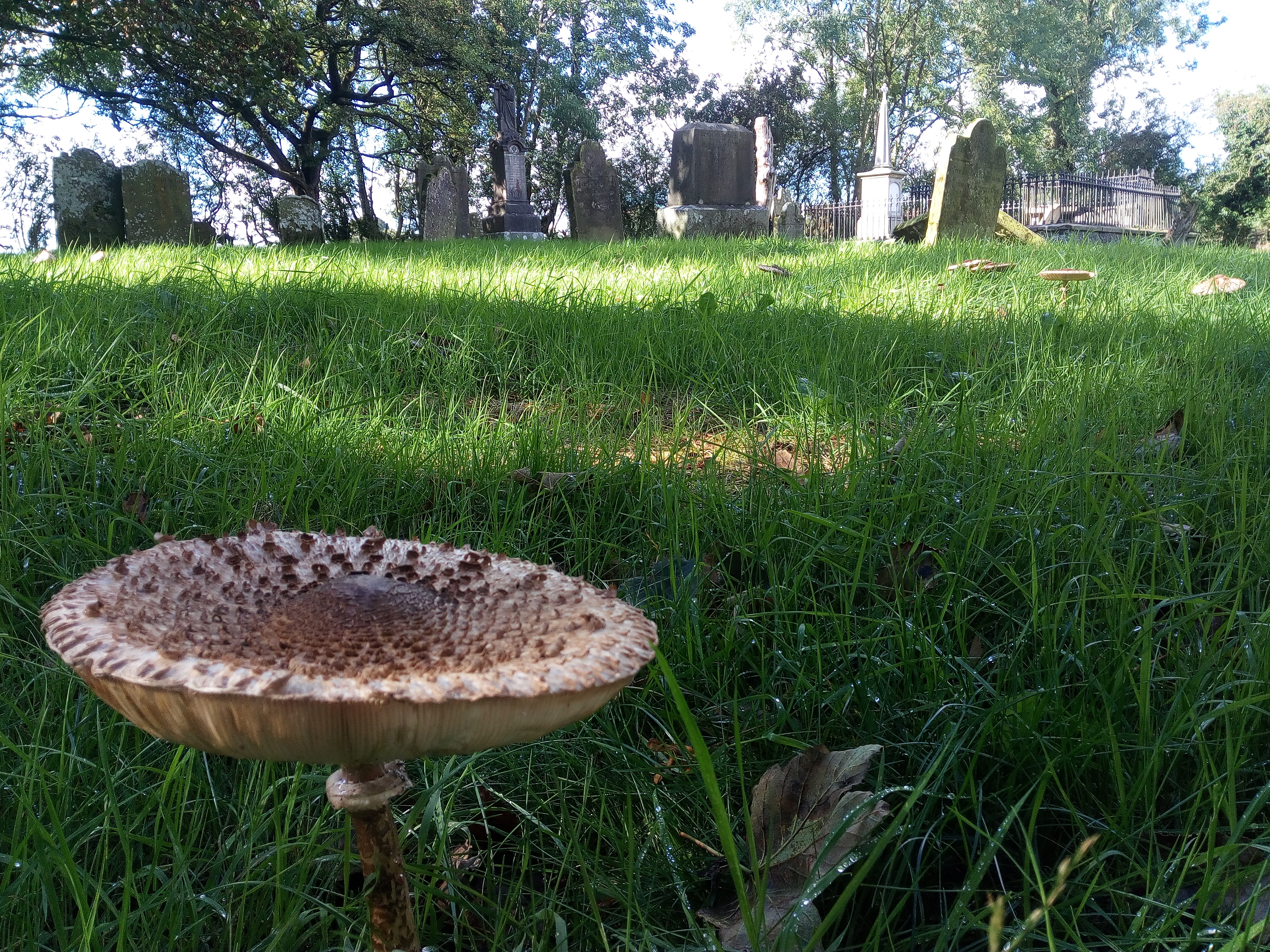
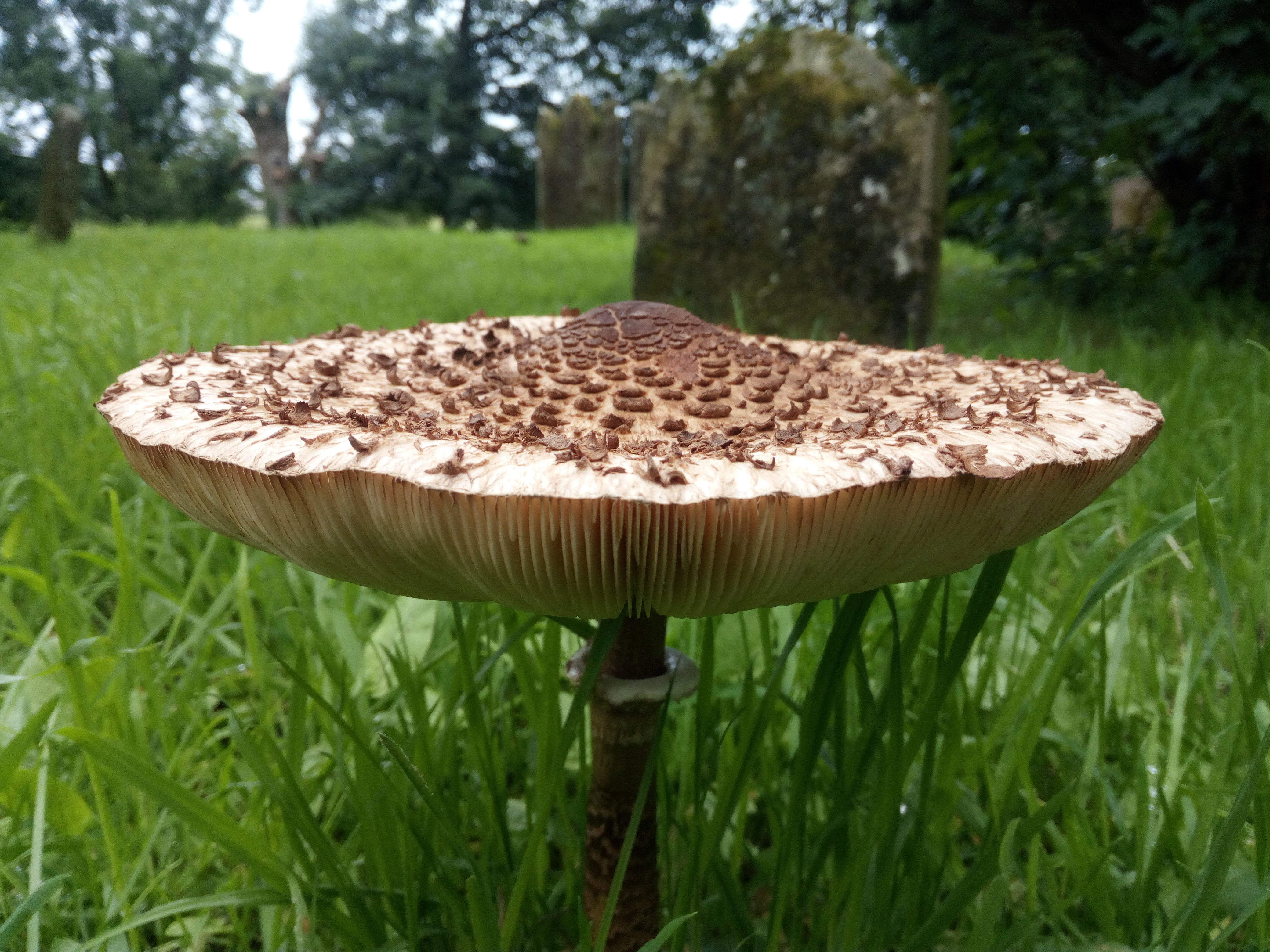
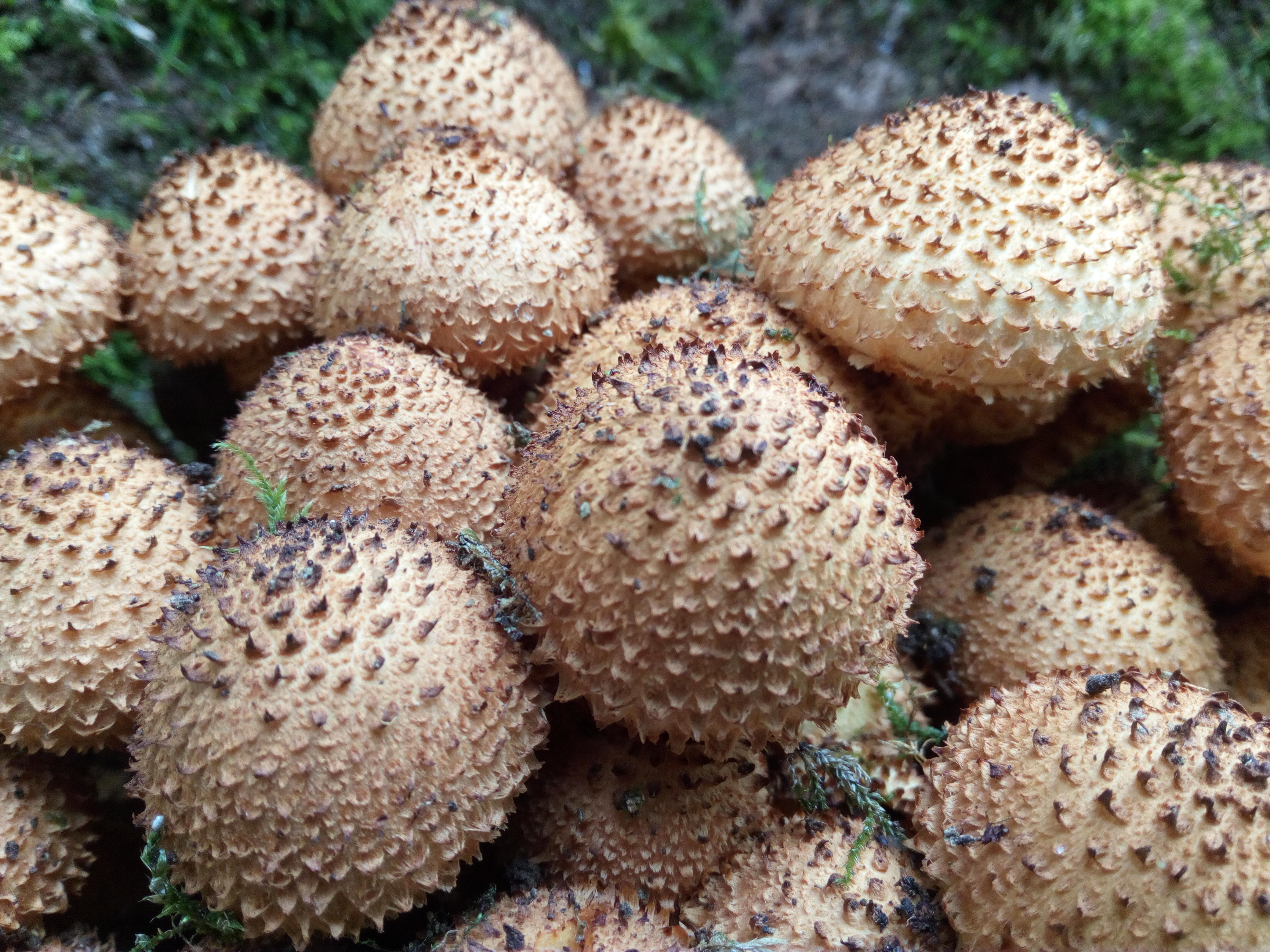
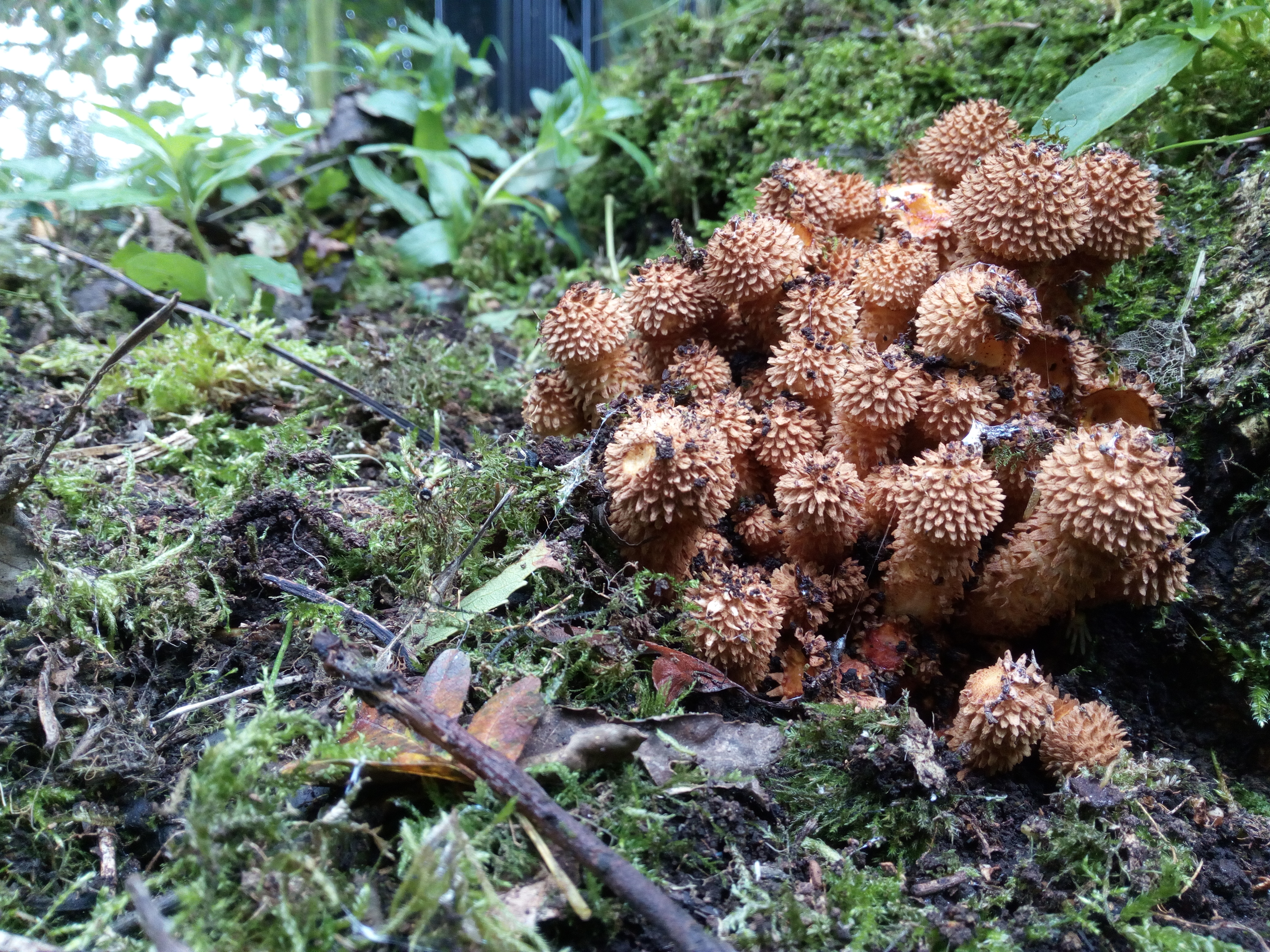
On occasion, we also receive fine crops of mushrooms that sprout up in various places. Often over-looked, we feel that they can be as photogenic as any other part of nature.

One other aspect of the 2023 program of planting that was funded by The National Lottery Heritage Fund, is the placing of climbing plants around the perimeter of the burial ground. We had decided to opt for plants that required minimal maintenance whilst providing bang for the buck in terms of blossoms. For this reason, we selected clematis, roses, honeysuckle and jasmine for the most part. There were also two hydrangeas placed to fill out empty spots, and one wisteria to do the same.
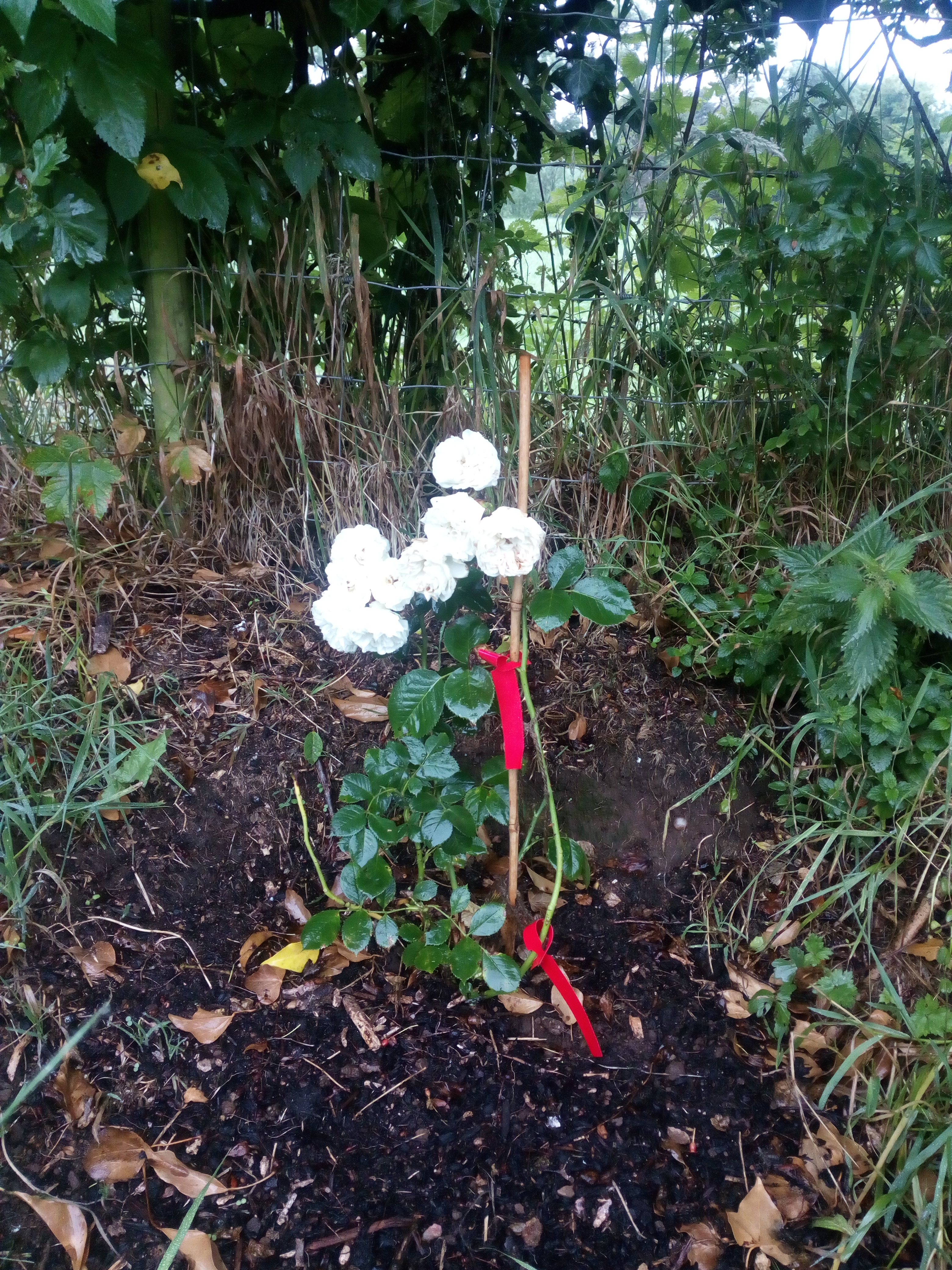

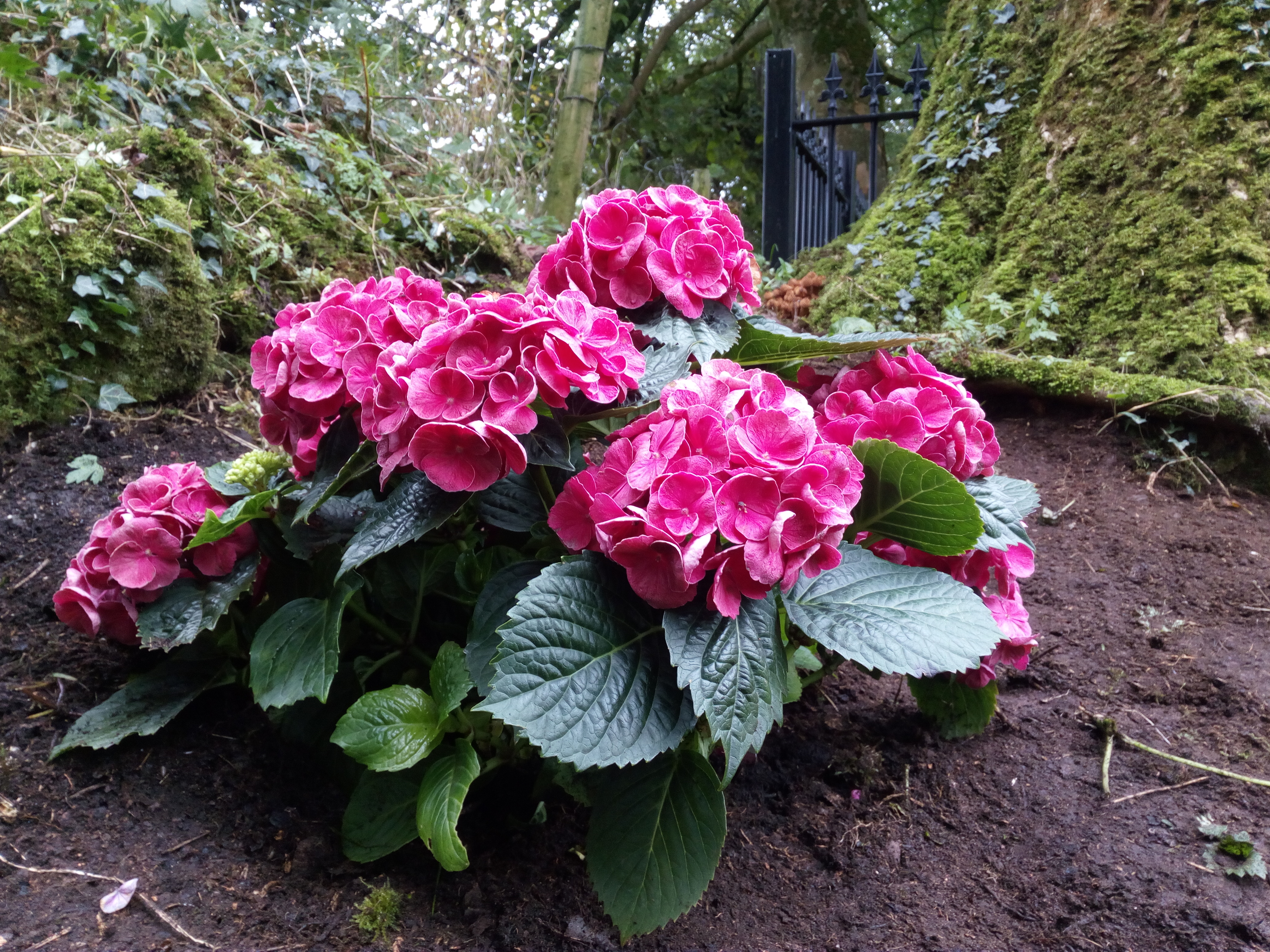
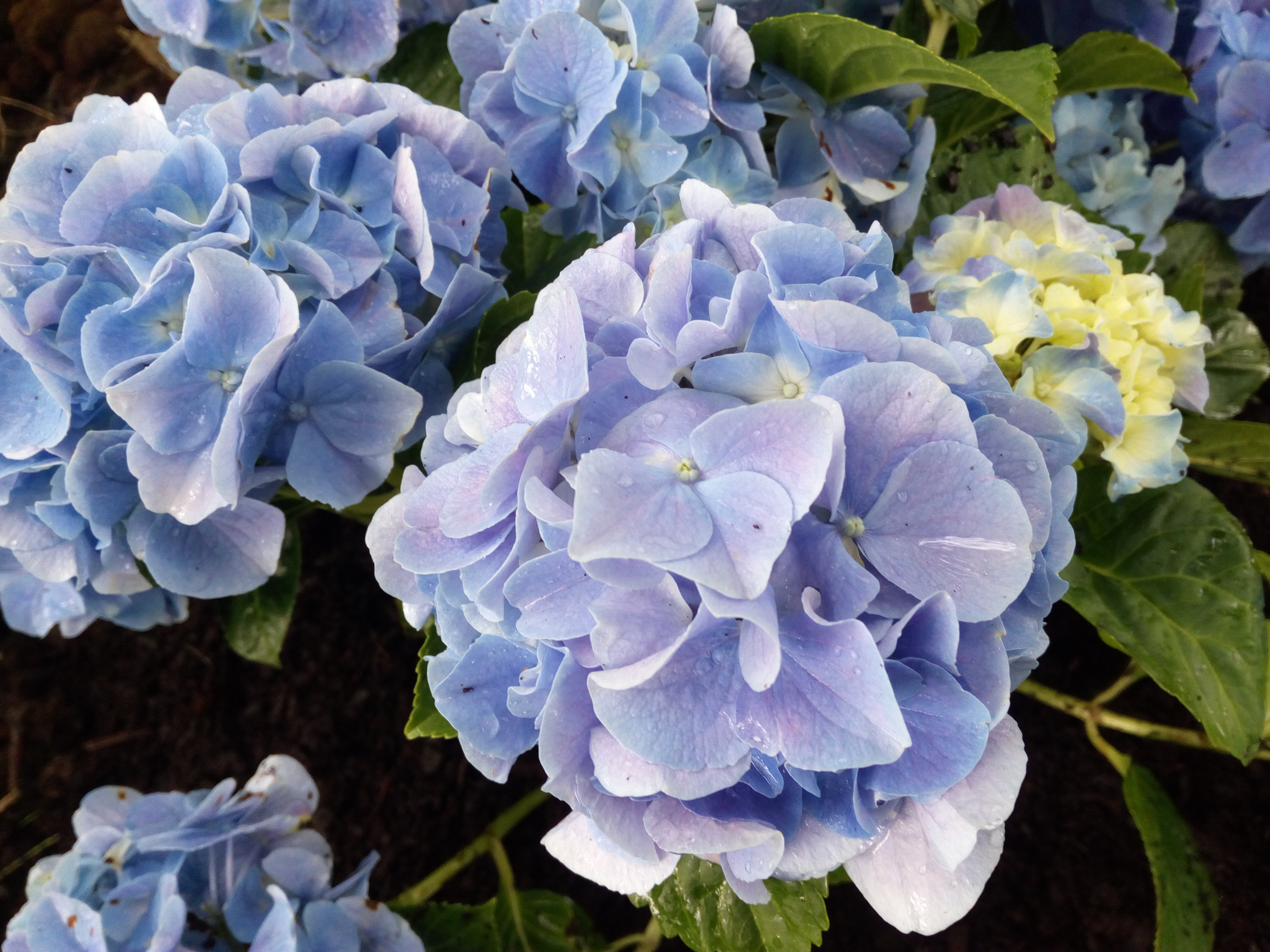
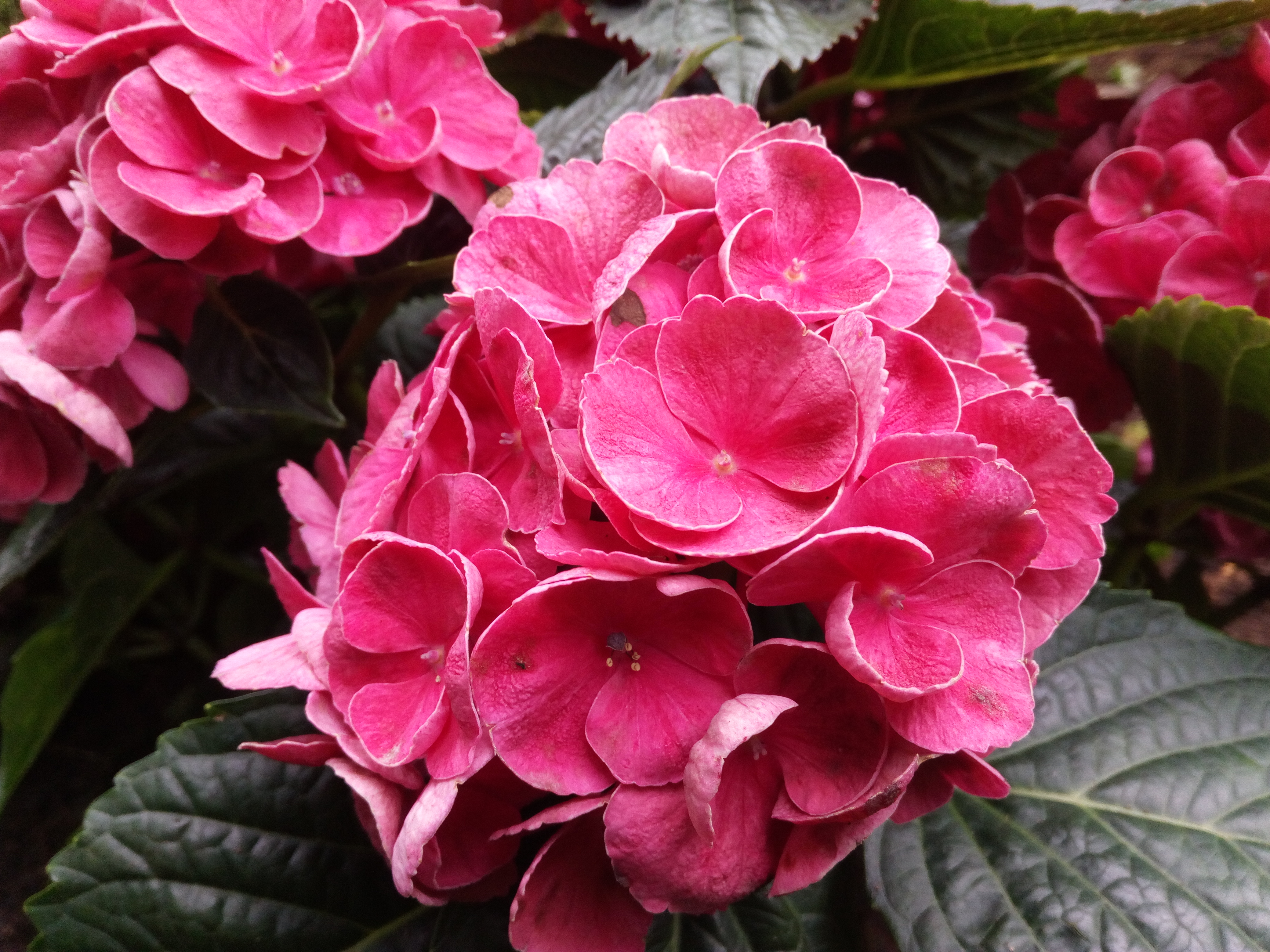
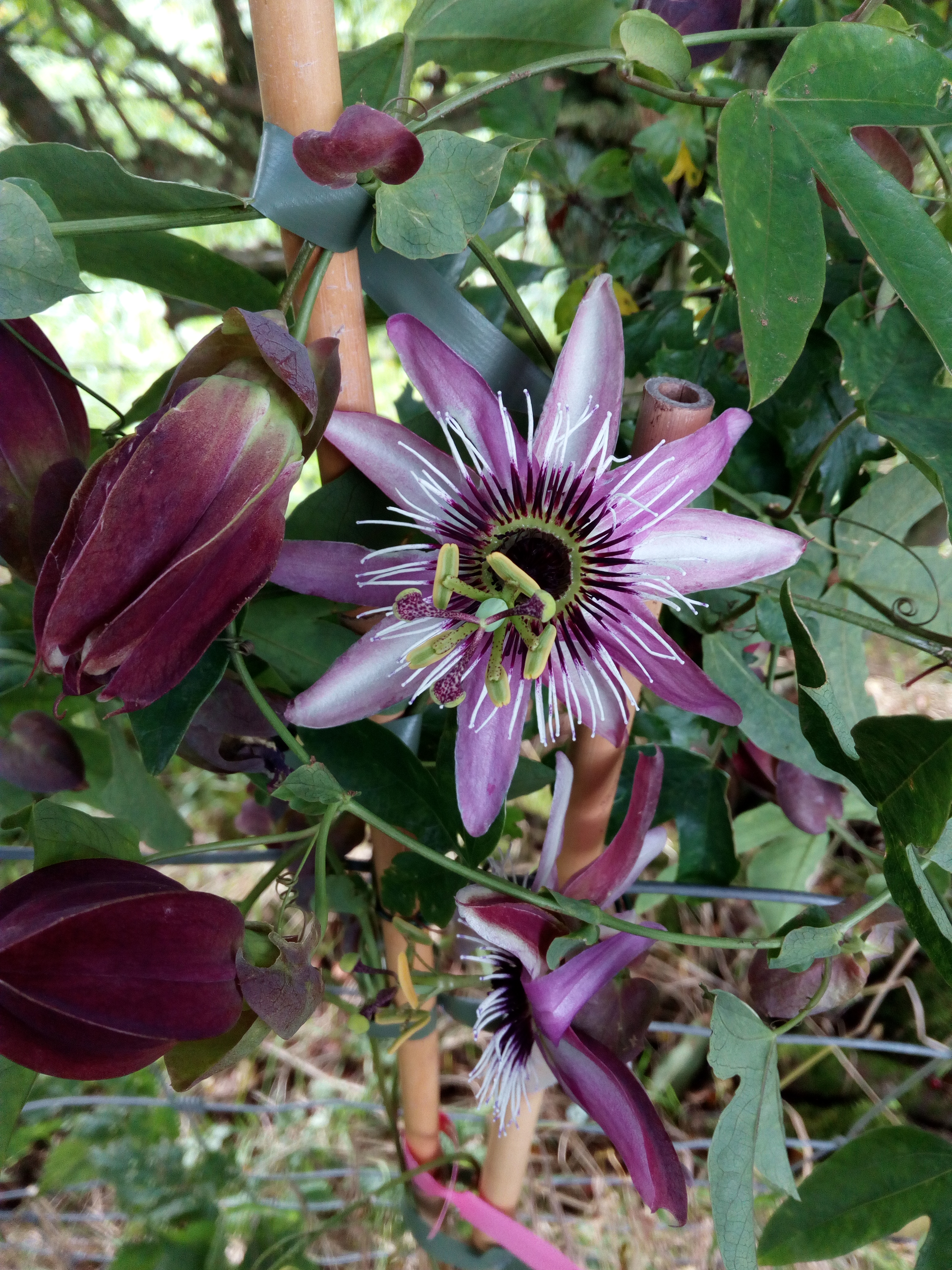
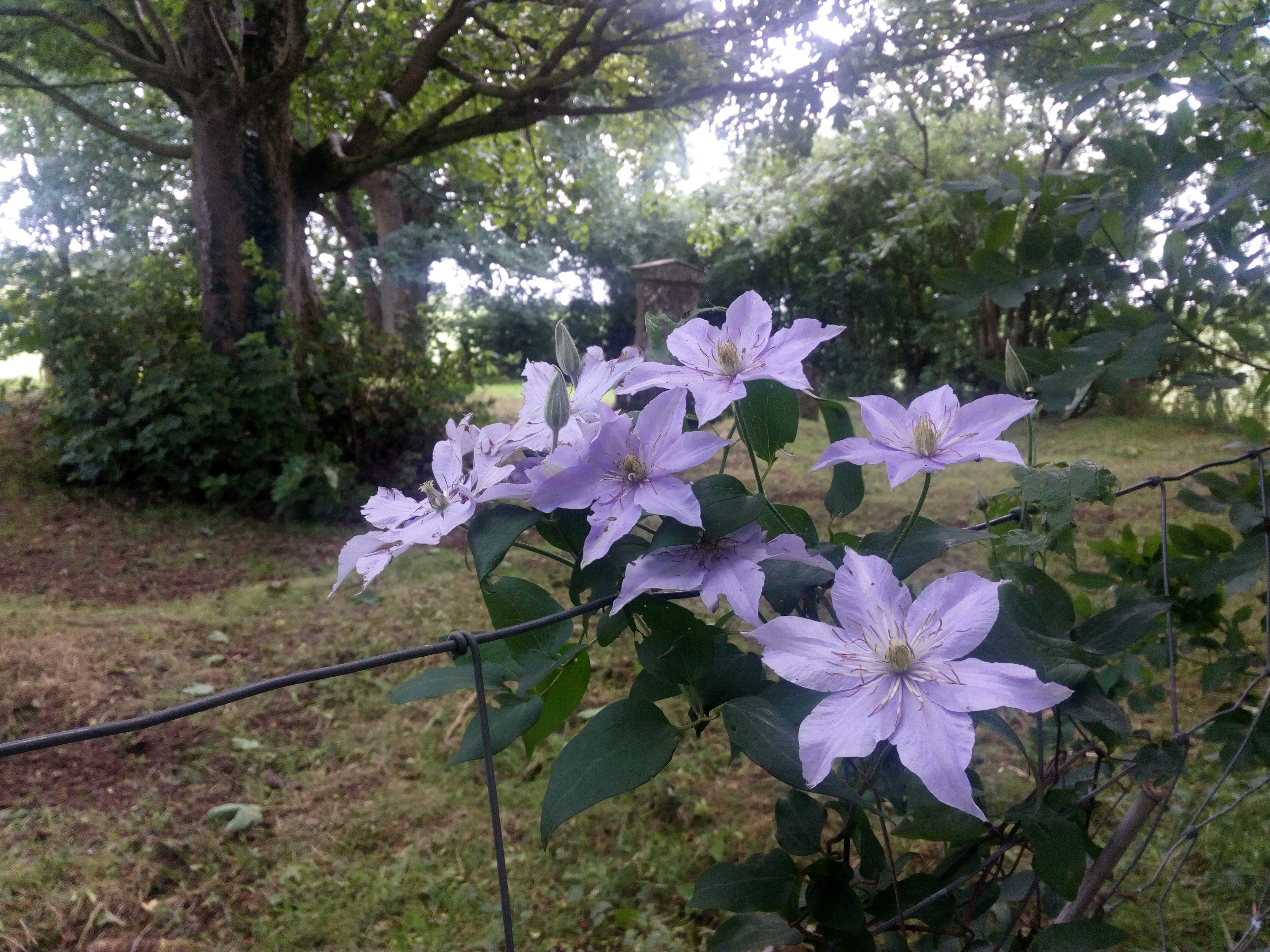
It will take some years, and good conditions, for these plants to demonstrate their full splendour, but it’s nice to see them settle in as the months go by.
Additional video, photos and details of both flora and fauna will be provided by The Ballyeglish Society as the project continues. These articles can be found at either Newsfeed or on the sub-menu for this page, titled Flora and Fauna – Posts.
Bígí linn

 The Ballyeglish Society