
The older graveyards of Ireland have a great variety of monuments used over the centuries. From basic, large boulders, to flat rock slabs, to marble and other limestone edifices, you will find them all. Sadly not every grave marker, or religious building, will last the test of time, political events, or the Irish weather.
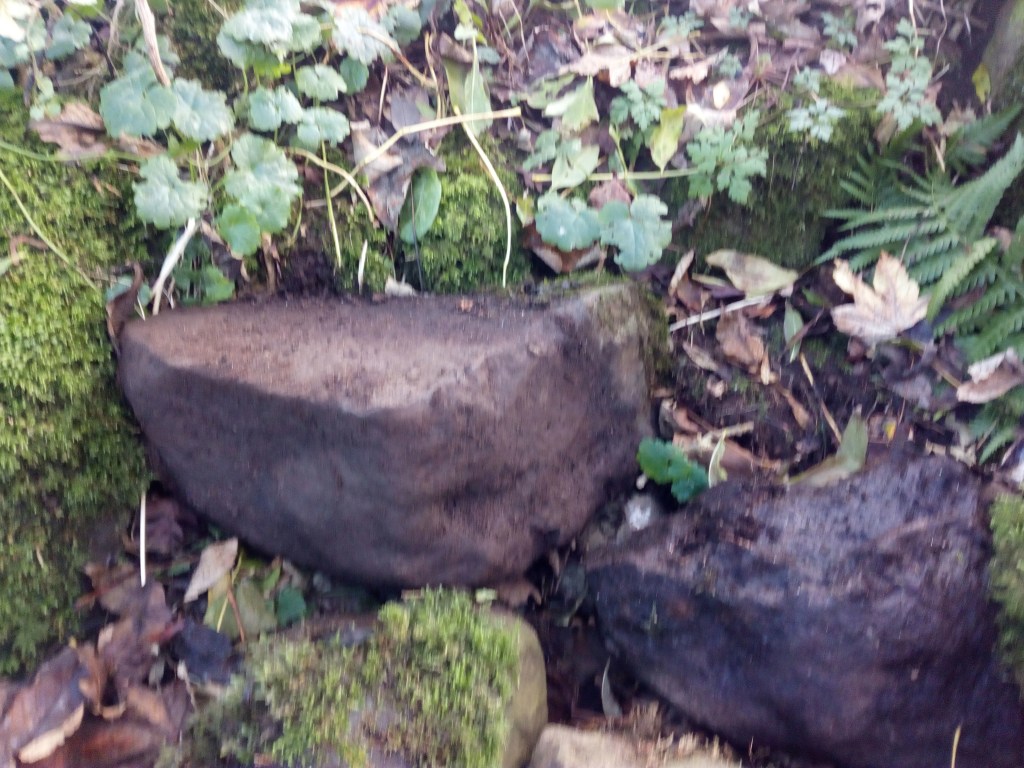
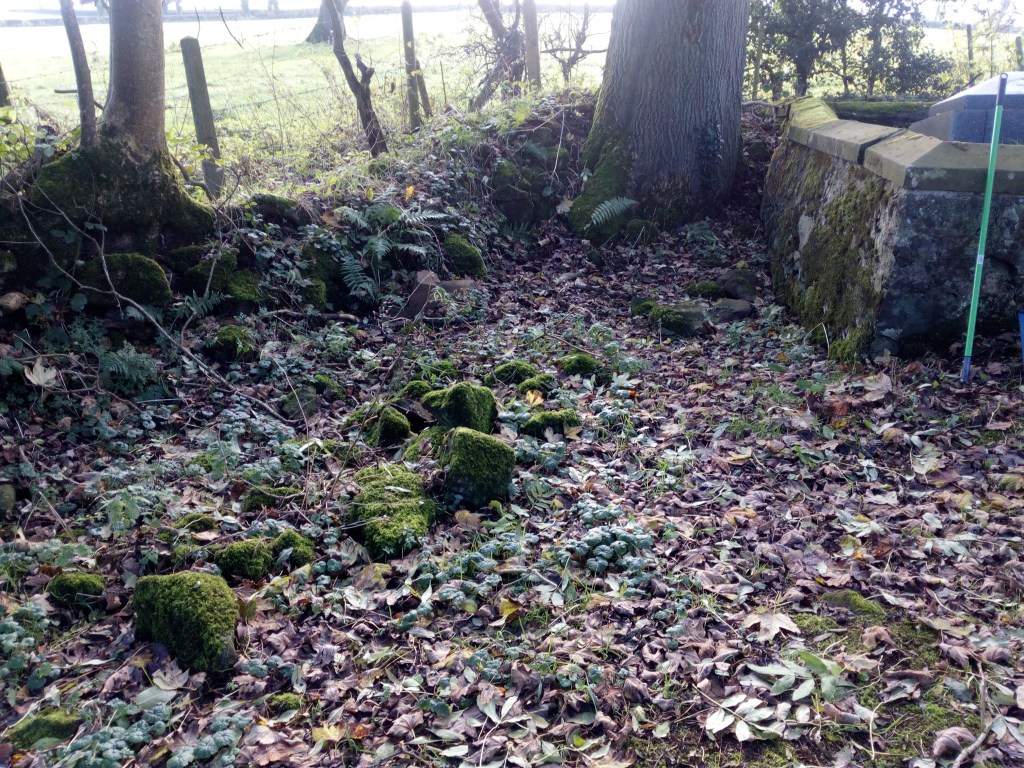
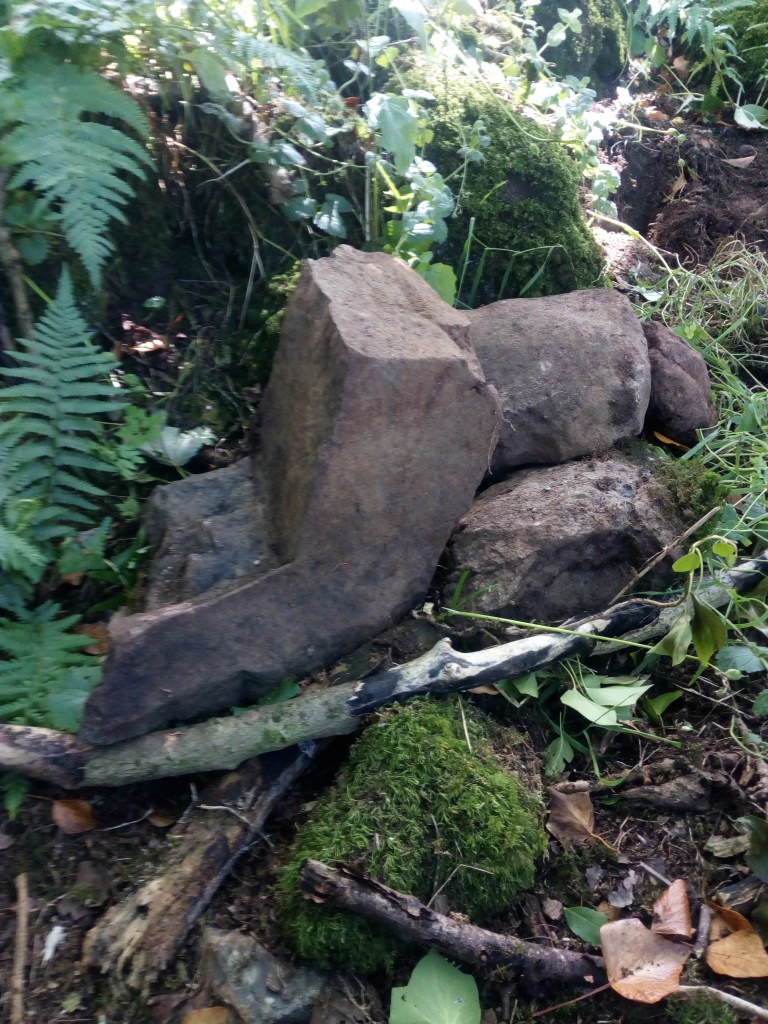
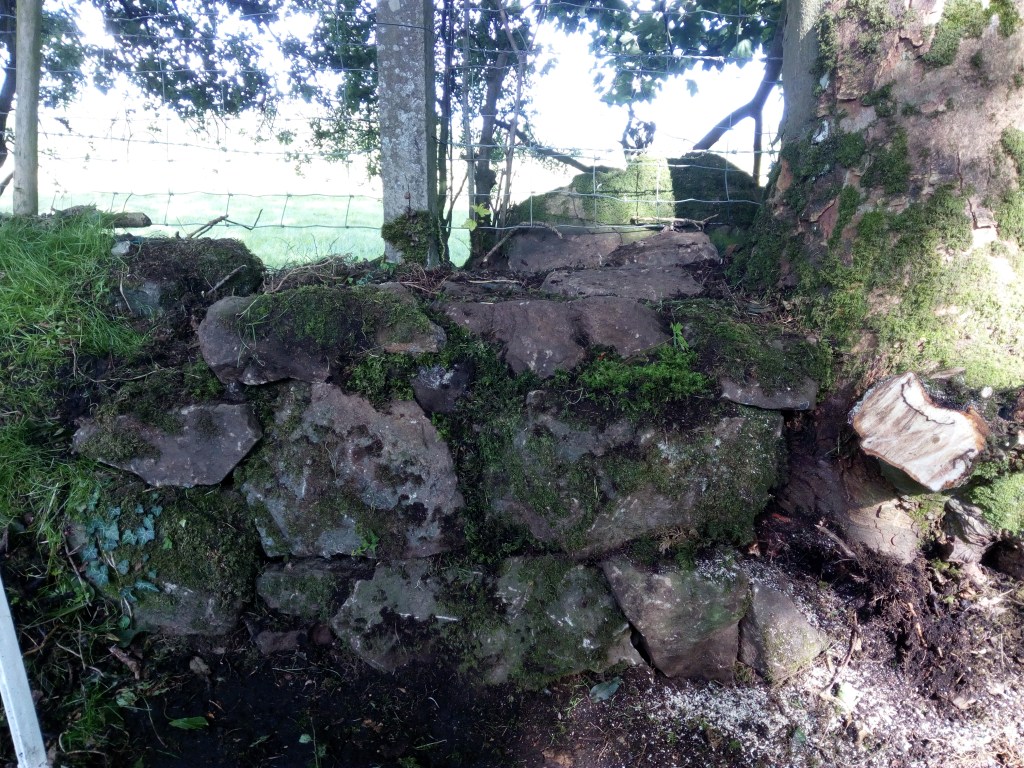
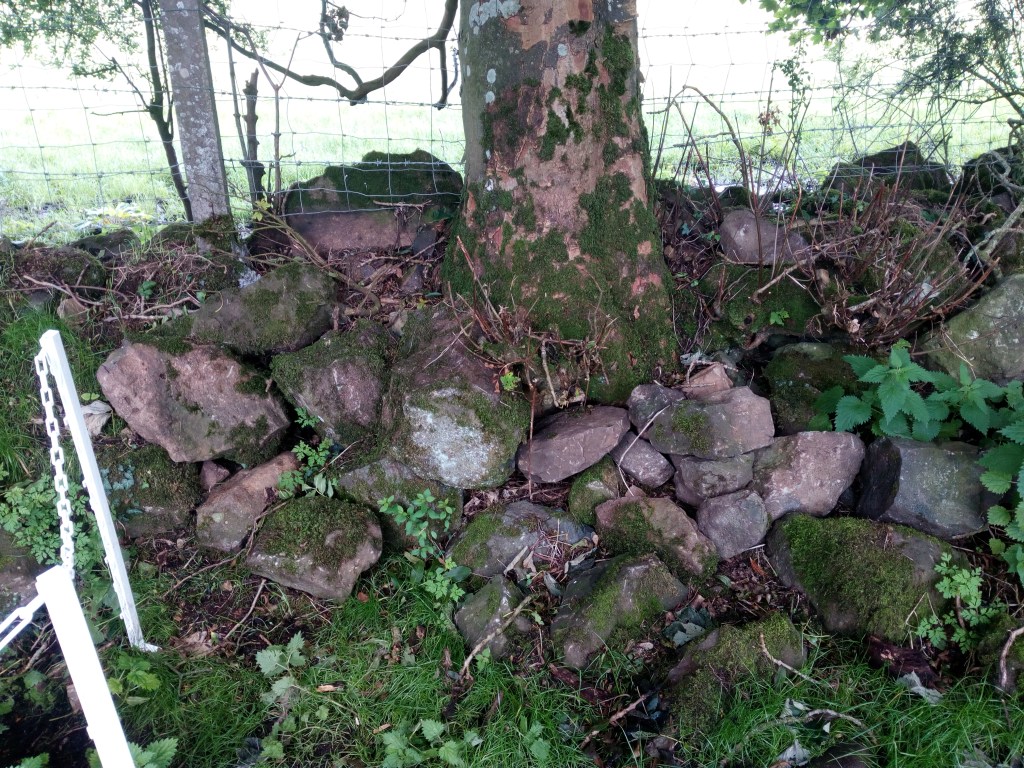
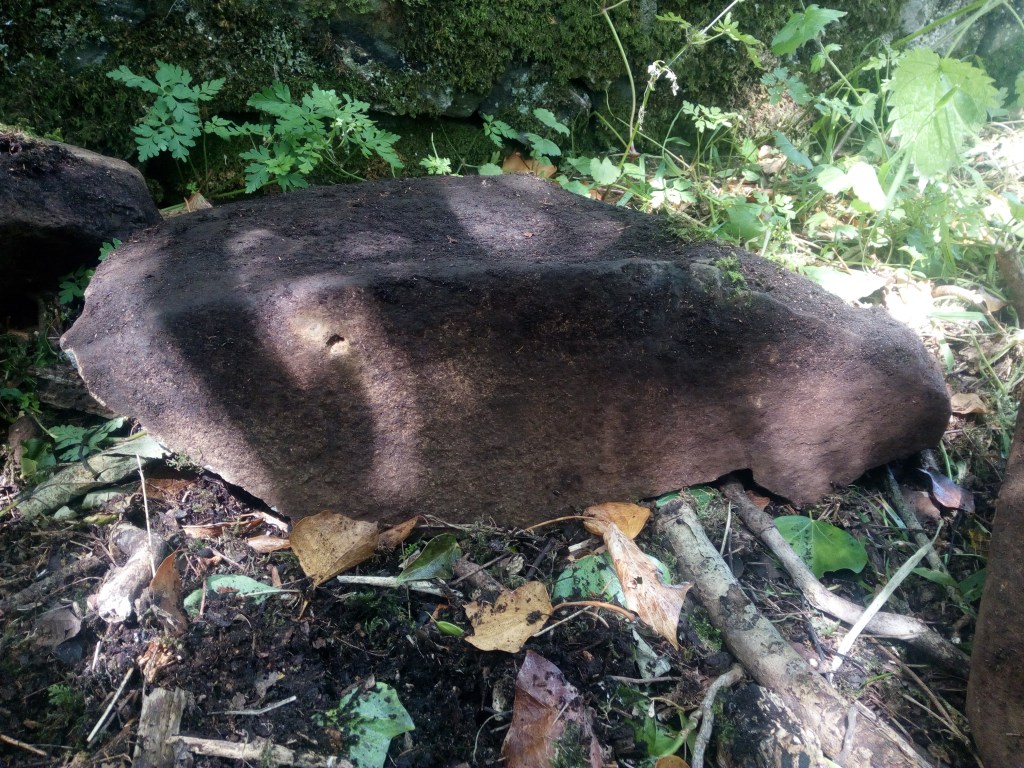
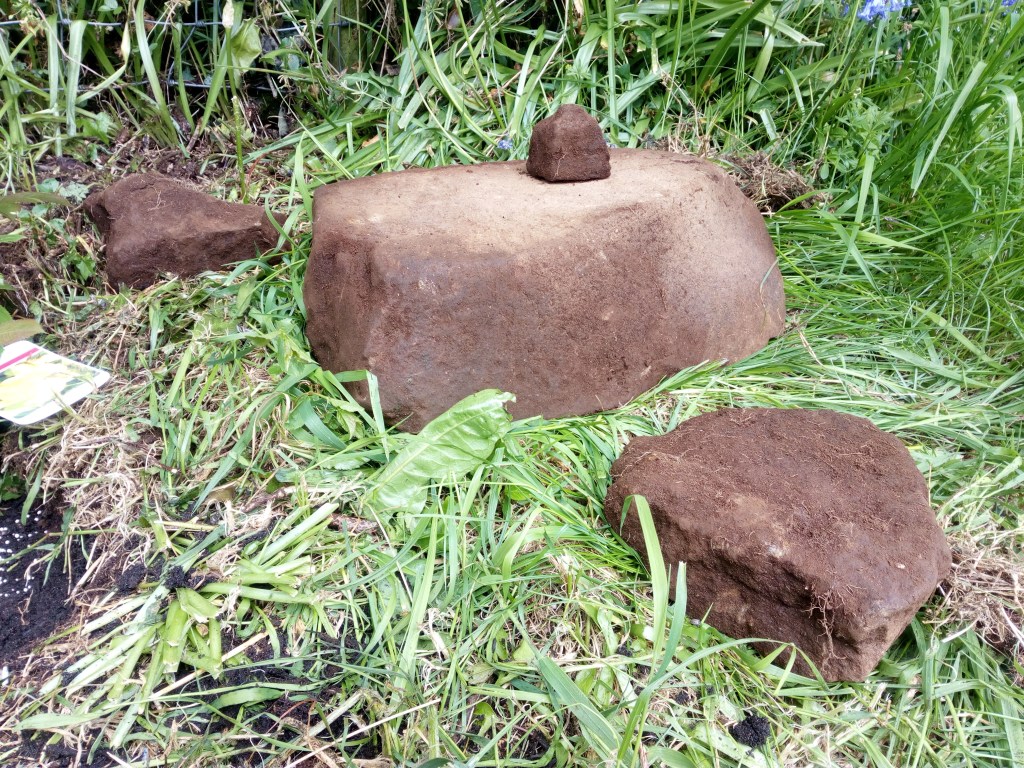
At Ballyeglish Old Graveyard, the church is missing,…gone… absent without leave. The only trace is the jumble of dressed stones that lie scattered along the eastern perimeter, with other individual stones to be found across the site. No one yet knows why it disappeared, or when. Theories abound.
One such weighted piece of speculation is that a group of bearded lunatics from Scandinavia completely destroyed the religious community thought to have lived here in the 9th and 10th centuries. The Vikings are listed in both the Annals of Ulster and Annals of the Four Masters as having sporadically plundered the church lands around the entirety of Lough Neagh for more than 100 years. This ended in 945CE when the Irish decided that they’d had enough and ended the trouble, and the Vikings and their boats in the process. It’s difficult to know just how bad the destruction was, but given their reputation, we can presume that it would have been sufficient to have collapsed any small monastic settlement, especially if it was female.
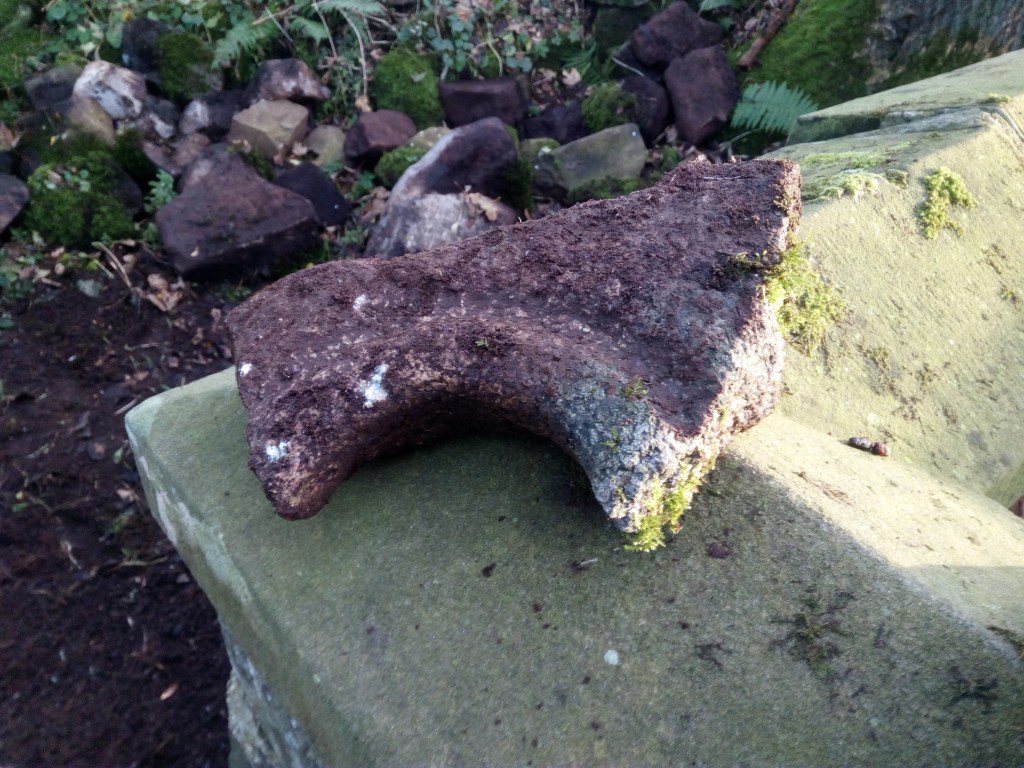
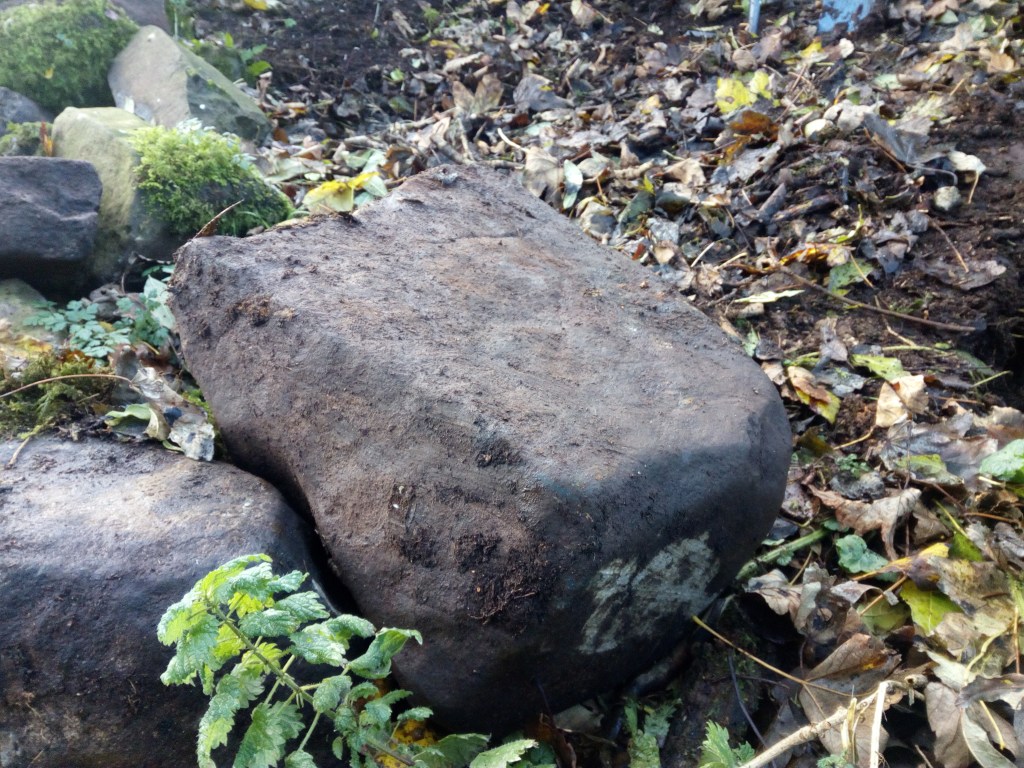
By the late 1500’s, old maps show no sign of a church at Ballyeglish. The destruction must have been complete by that time. When the Planters arrived from Britain, they would have needed dressed stones to build their homes and barns. The old church walls of Ballyeglish provided a ready supply of material for the purpose. Later generations, when tidying the site, perhaps to make space for burials, removed any trace of where the old church, or abbey, was situated. The remaining few stones were dumped at the bottom of a man-made embankment were they remain today awaiting their use in the perimeter wall.
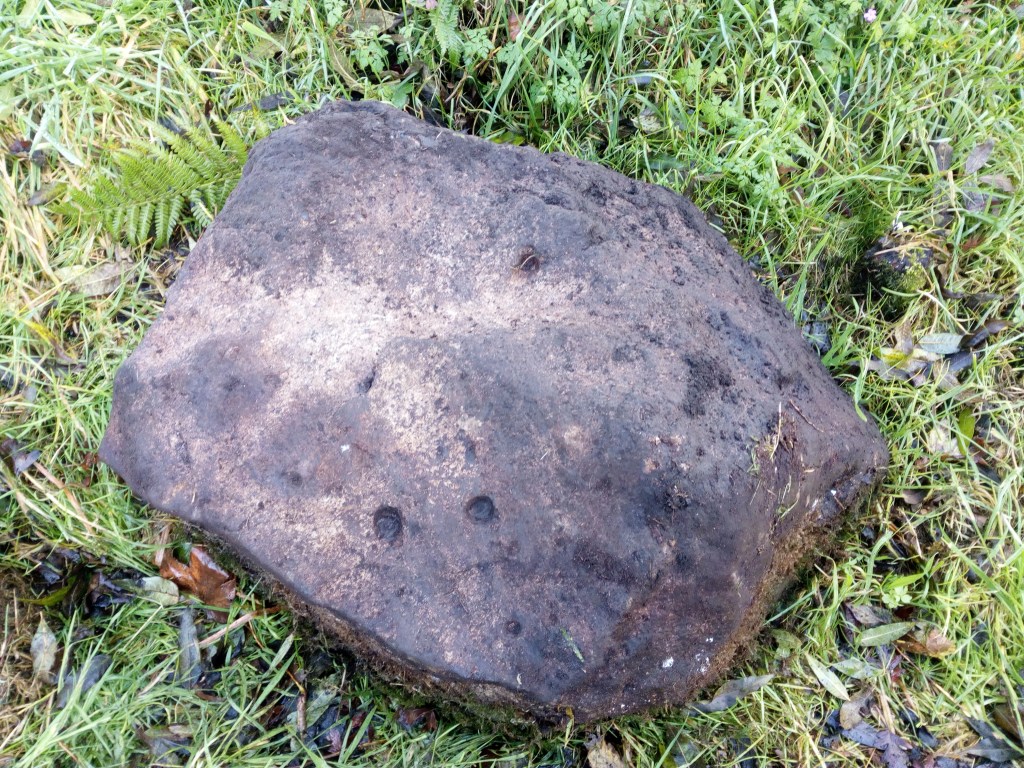
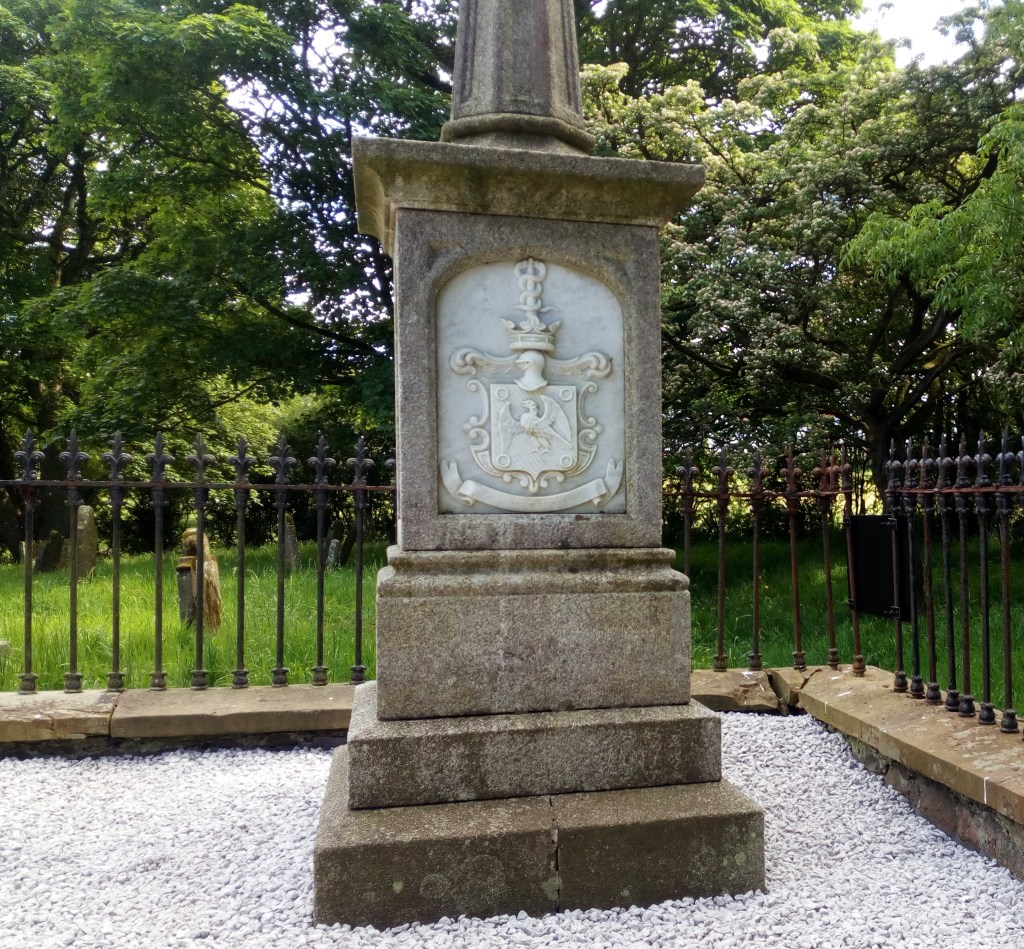
On the site, today, the earliest remaining headstone belongs to Patrick Mullin and dates to 1702. It is relatively recent given the age of the graveyard. The last marker is from the 1970’s. Some of the headstones are basic crosses, other more modern in appearance, and a few speak of wealth and privilege. Families such as the Archers, Scullans, Kevins and Conwells had the means to install elaborate memorials that few could afford today. The Conwell grave enclosure, in particular, has an impressive plinth and obelisk dedicated to some of those family members not interred in the plot. They also have a set of railings within a set of railings, the inner set surrounding the burial vault of a celebrated cleric.
Of note is the origin of many of the grave markers. The monumental sculptors discovered so far include Hamiltons of Ballymena, and the famous Farrel & son of Glasnevin in Dublin who provided headstones and monuments for both the Kevin and Conwell families.
Recently, members of the Ballyeglish Society have undertaken the restoration of some of the monuments. Crosses, vandalised decades ago, have been re-affixed; both Conwell and Kevin plots have been cleared of undergrowth and the railings of both cleaned and painted. It’s a slow arduous task, carried out by volunteers. But it will serve to preserve the monuments for future generations to enjoy.
Additional articles on this topic can be found via the sub-menu Monuments – Posts which is located below the Monument page.
Bígí linn

 The Ballyeglish Society